 Mosonmagyarovar: Moson: Mosonmagyaróvár -> Országhatár
Mosonmagyaróvár combines a compact historic centre with a busy borderland character in a way that reflects its position in north-western Hungary. The town lies beside the Mosoni-Duna and Lajta rivers, not far from the Austrian and Slovak frontiers. Its name recalls the 1939 union of the formerly separate towns of Moson and Magyaróvár. Medieval-origin Magyaróvár Castle anchors the older quarter and now forms part of the Hungarian University of Agriculture and Life Sciences. Thermal baths are another local draw, while central streets mix grand late-19th-century façades with the everyday traffic of a regional town.
Generated by AI
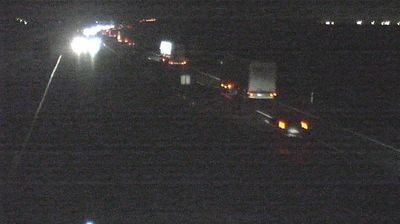
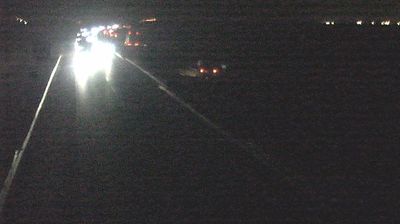

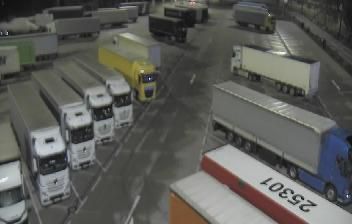


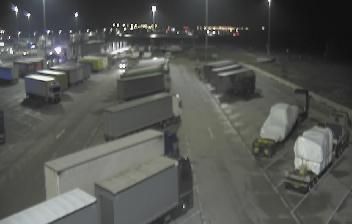
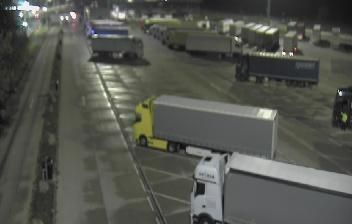


Mosonmagyaróvár has served as a border town in western Transdanubia since the Middle Ages. Close to the Austrian and Slovak frontiers, it is crossed by the Lajta River, which joins the Mosoni-Duna here, a Danube branch flowing toward Győr. The town combines the historic settlements of Moson and Magyaróvár, formally united in 1939. Medieval Magyaróvár Castle anchors the old centre and is linked to Hungary’s agricultural education tradition, which began here in 1818. Mosonmagyaróvár is also known nationally for its thermal baths and its position on routes between Vienna, Bratislava and Győr. Continue with other webcams from Transdanubia to see how this western Hungarian region connects across the Danube basin.
2 webcams
Built around the lands west of the Danube, Transdanubia grew into Hungary’s broad western historical region. This location lies on Lake Balaton’s northern shore near Balatonfüred, where the Balaton Uplands rise behind the water in a mosaic of vineyards, basalt hills and small settlements. Lake Balaton, Central Europe’s largest lake, has long shaped local recreation, agriculture and summer life. Across the bay, the Tihany Peninsula is marked by its Benedictine Abbey, founded in 1055 and associated with one of Hungary’s earliest surviving written records. Continue with other webcams from the area to see how this part of western Hungary connects regionally.
305 webcams
Hungary combines a long urban tradition with expansive lowland horizons in a way that reflects its position within the Carpathian Basin. The Danube runs through Budapest, separating the hills of Buda from the grand boulevards of Pest, where the Hungarian Parliament Building stands on the riverbank. Beyond the capital, the Great Hungarian Plain shapes much of the east, while Lake Balaton, Central Europe’s largest lake, draws summer visitors to its shores. Thermal bathing remains part of everyday life, and the Tokaj region is internationally known for its historic sweet wines. Explore nearby webcam locations that provide complementary perspectives on Hungary.
744 webcams