 Monterosi
 lies beside Lake Monterosi in northern Lazio, where low volcanic hills and farmland extend north of Rome. The town stands on the Via Cassia corridor, following an ancient route that connects Rome with Viterbo. Monterosi is also a stop on the Via Francigena, the long-distance pilgrimage itinerary between Canterbury and Rome. Lake Monterosi is a small volcanic crater lake just beyond the built-up area, giving this compact settlement a distinct setting within the wider Cimini volcanic district. Its historic-road position and rural surroundings place it in the quieter hinterland of Italy’s capital.
Generated by AI
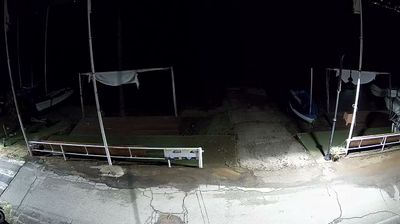


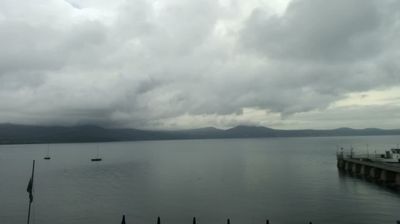

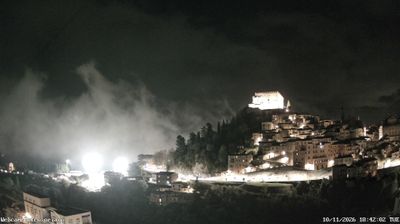
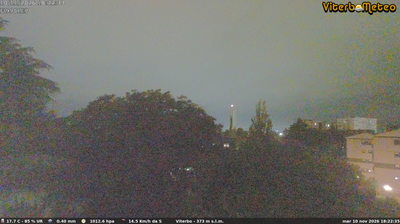
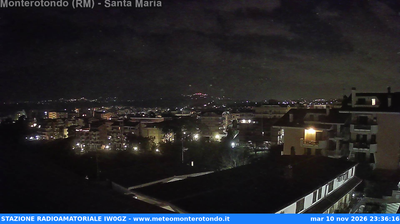


Lake Monterosi defines the setting of Monterosi — this small volcanic lake near the town gives this part of northern Lazio a distinct character beyond Rome’s urban plain. The settlement lies in volcanic country south of the Cimini Mountains, where cultivated fields and low wooded slopes link the Roman Campagna with the Viterbo area. Monterosi is crossed by the Via Francigena, the historic pilgrimage route between Canterbury and Rome, and remains a practical stop for walkers nearing the capital. Its position on the Via Cassia also connects it with one of central Italy’s long-established road corridors. Discover how Monterosi relates to Lake Monterosi and northern Lazio by browsing webcams nearby.
2 webcams
Lazio combines the energy of Italy’s capital with broad rural and mountain districts in a way that reflects its position between the Tyrrhenian coast and the central Apennines. Rome is its defining centre: the Roman Forum, Colosseum and Vatican City place the region at the core of European history, while the Tiber runs through the city on its course to the sea. Beyond Rome, the Lazio shoreline, volcanic lakes and hill towns give the region a varied geography. Ancient Ostia preserves remains of Rome’s harbour town at the mouth of the Tiber. Discover how Lazio connects with central Italy by browsing webcams in nearby areas.
122 webcams
Among the countries of southern Europe, Italy stands out for its Mediterranean coastline and cities marked by the legacy of ancient Rome. The Alps form its northern frontier, while the Apennines run down the peninsula and the Po crosses the broad plain of the north. Rome’s Colosseum and Roman Forum recall the ancient empire; Florence is closely associated with the Renaissance, and Venice is built across a lagoon on the Adriatic. Food changes markedly between regions, from olive-oil cooking in the south to rice dishes in the Po Valley. Sicily and Sardinia add distinct island identities to a country whose regions retain strong local character. Explore nearby webcam locations that provide complementary perspectives on Italy’s coasts, cities and mountains.
3K webcams