 Wolfsburg
The landscape around Wolfsburg is low-lying and shaped by the Aller River and broad woodland, which has shaped both the built environment and local life. In northern Lower Saxony, the city is inseparable from the Volkswagen works: Wolfsburg developed in the late 1930s alongside the factory and remains the company’s headquarters. The Autostadt visitor complex brings together brand pavilions and exhibitions on design and mobility, while the centre mixes post-war planning with newer cultural buildings. Schloss Wolfsburg, a Renaissance-era castle, recalls the older settlement from which the modern industrial city took its name. River meadows and the nearby Drömling wetlands provide a quieter counterpoint to its manufacturing identity.
Generated by AI

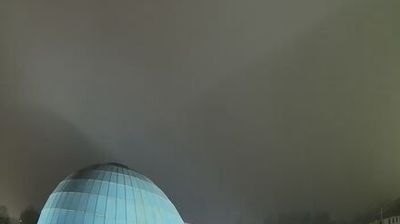
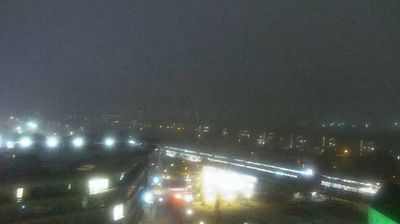


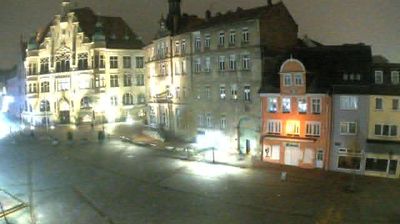
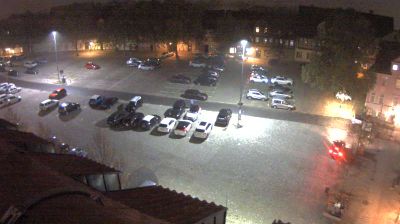
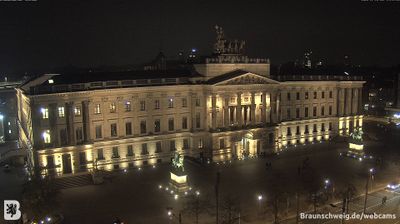

Wolfsburg occupies a lowland position beside the Mittelland Canal in eastern Lower Saxony. Founded in 1938 as a planned settlement for the Volkswagen factory, it was renamed after nearby Wolfsburg Castle in 1945; the carmaker’s headquarters and vast production site still shape the city’s identity. Autostadt presents automobile brands, design and mobility beside the factory, while the Phaeno science centre, designed by Zaha Hadid, adds a striking contemporary landmark to the canal-side centre. Renaissance Wolfsburg Castle is a reminder of the area’s earlier history and houses the Städtische Galerie Wolfsburg. Continue through nearby webcams to explore different parts of Wolfsburg and Lower Saxony.
6 webcams
Lower Saxony extends from the North Sea coast to the Harz Mountains, encompassing Wadden Sea mudflats, broad lowlands and wooded uplands. At its northern edge, the Lower Saxon Wadden Sea forms part of the UNESCO-listed Wadden Sea, shaped twice daily by the tides. The Weser crosses the state on its way to the North Sea, while the Elbe marks much of its northeastern border. Inland, the Lüneburg Heath is associated with heather moorland and long-standing sheep farming. Hanover, the state capital, is known for the Herrenhausen Gardens, whose Great Garden is a major baroque ensemble. Explore further webcams across Lower Saxony to place the region in its wider geographic context.
198 webcams
Germany stretches from the North Sea and Baltic Sea coasts to the Alps on its southern border, encompassing northern plains, river valleys and forested uplands. The Rhine, Danube and Elbe have long connected its regions, while the Black Forest and Bavarian Alps give the south a more dramatic relief. Berlin’s Brandenburg Gate and Museum Island reflect the capital’s role in German history and culture. Cologne Cathedral, a UNESCO World Heritage Site, rises above the Rhine, and the Bauhaus movement, founded in Weimar in 1919, transformed modern design far beyond Germany. Regional cooking, Christmas markets and brewing traditions bring further character to daily life. Browse additional webcams from the surrounding area to extend your view of Germany.
2.8K webcams