 Chuo Ward
Kobe Airport straddles the edge of reclaimed land and Osaka Bay in Chūō Ward, Hyōgo Prefecture, a position that integrates aviation with Kobe’s port-side transport infrastructure. Opened in 2006, it forms part of the city’s extensive waterfront transport network. The surrounding airport precinct is shaped by terminals, service buildings, access roads and logistics space rather than dense urban streets. Beyond the airport, Chūō Ward includes central Kobe and major harbour districts. Kobe opened to foreign trade in 1868, a turning point that helped establish its international character.
Generated by AI

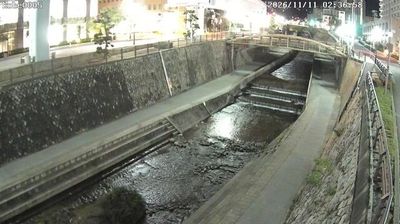



Developed around Kobe’s harbour, Chuo Ward grew into the administrative, business and waterfront centre of Kobe. It stretches from the foothills of the Rokko Mountains to Osaka Bay, placing rail hubs, port facilities and museums within a compact part of the city. Kobe Port opened to foreign trade in 1868, a change still reflected in the former foreign residences of Kitano and in the cosmopolitan food scene. Along the waterfront, Meriken Park brings together Kobe Port Tower and the Kobe Maritime Museum, while nearby Nankinmachi is one of Japan’s three major Chinatowns. Discover how Chuo Ward connects with Kobe and the wider Hyogo coast by browsing nearby webcams.
1 webcam
The terrain of Hyogo Prefecture ranges from coastal plains beside the Seto Inland Sea in the south to forested mountains facing the Sea of Japan in the north, giving the prefecture a markedly varied character. Its central Harima area is largely lowland and agricultural, while Kobe forms a major urban and port centre on the southern coast. Himeji Castle, a UNESCO World Heritage Site, is Japan’s best-known surviving feudal castle complex and a defining landmark of western Hyogo. The prefecture also includes the Nada district of Kobe, long associated with sake brewing. Find related webcams across Hyogo Prefecture to build a fuller picture of this diverse part of Japan.
58 webcams
Among the countries of East Asia, Japan stands out for its volcanic archipelago, stretching from the cool north of Hokkaido to subtropical Okinawa. Mount Fuji, the nation’s highest mountain, rises above central Honshu, while the Pacific Ocean and the Seto Inland Sea have long shaped settlement, fishing and travel. Tokyo pairs dense urban life with major museums and neighbourhood traditions; Kyoto preserves temples, gardens and the legacy of Japan’s imperial court. Seasonal customs give journeys a changing rhythm, from spring cherry blossom viewing to autumn leaves. Regional cooking is equally varied, with sushi, ramen and local specialties reflecting coastlines, climate and agriculture. Explore nearby webcam locations that provide complementary perspectives on Japan’s islands, cities and mountain regions.
1.3K webcams