 Sempeter-Vrtojba: Šempeter pri Gorici - Sports park
The Vipava Valley defines the setting of Šempeter-Vrtojba — low cultivated land extends between the limestone heights of the Karst and the foothills of the Julian Alps. This Slovenian municipality lies directly beside the Italian border, adjoining the urban area of Gorizia and close to Nova Gorica. Its two settlements developed among vineyards, orchards and local services rather than around a monumental old core. The border position remains central to local life: the wider Nova Gorica–Gorizia area was European Capital of Culture in 2025 through a joint Slovenian-Italian programme. Recreation grounds, neighbourhood streets and open plots give Šempeter-Vrtojba a practical, lived-in character in western Slovenia.
Generated by AI


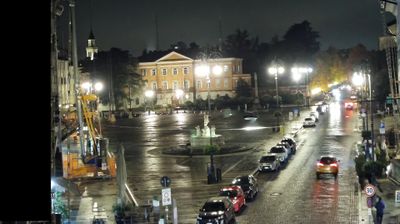
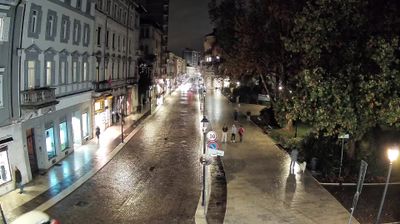
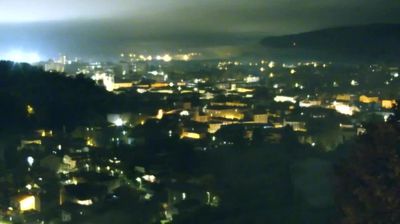

Šempeter–Vrtojba occupies the lower Vipava Valley beside Slovenia’s Italian border in the Goriška region. The Vipava River passes through the municipality on its westward course to the Soča, while the limestone Karst plateau begins south of the settled plain. Šempeter and Vrtojba are closely linked with neighbouring Nova Gorica and with Gorizia across the border, creating an urban area shaped by Slovenian and Italian connections. This borderland gained international cultural attention in 2025, when Nova Gorica and Gorizia jointly held the European Capital of Culture title. Fields and vineyards recall the agricultural tradition of the Vipava Valley, and cycle routes reflect its everyday cross-border character. View additional webcams nearby to better understand how Šempeter–Vrtojba relates to the Vipava Valley, Nova Gorica and the Italian border.
5 webcams
Slovenia occupies a meeting point of the Alps, the Pannonian Plain, the Dinaric mountains and the Adriatic coast in south-central Europe. The Julian Alps rise in the northwest, where Triglav is the country’s highest mountain, while the Soča River is known for its clear turquoise water. Karst terrain has shaped caves such as Postojna Cave and the Škocjan Caves, a UNESCO World Heritage site. Ljubljana combines a riverside old town with works by architect Jože Plečnik; farther east, wine-growing regions and thermal springs add another dimension. Slovenian food reflects Alpine, Mediterranean and Balkan influences. Find related webcams in the surrounding area to build a fuller picture of Slovenia and the northern Adriatic.
782 webcams