 Capriasca
The Lugano Prealps define the setting of Capriasca — their steep, wooded slopes frame a settled valley of tiled roofs, parish churches and small hamlets north of Lugano. Vaglio, one of the municipality’s constituent villages, retains the compact form of an older Ticinese settlement, with stone and plaster houses gathered around its church. Capriasca was created in 2001 through the union of five former municipalities, including Vaglio and Tesserete; its territory has since expanded through further municipal mergers. The area belongs to Italian-speaking Ticino, where alpine terrain meets the cultural traditions of southern Switzerland. Local roads and paths connect its scattered communities across the valley slopes.
Generated by AI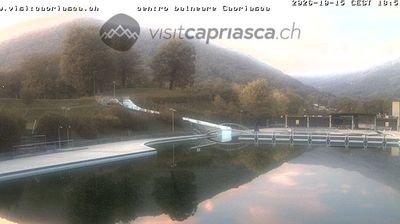
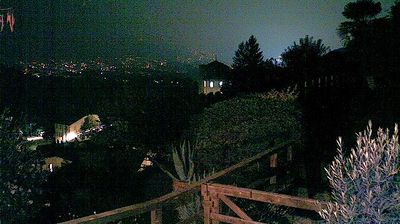



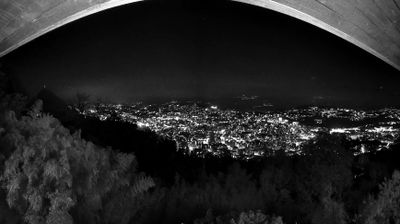

Capriasca, tucked into the wooded foothills north of Lake Lugano, is a place whose character is shaped by the rise from the Lugano basin toward Monte Bar. This municipality in Ticino brings together a constellation of settlements, with Tesserete serving as its principal centre and everyday focal point. Chestnut woodland, pasture and steep local roads give the area a distinctly upland rhythm, while Lugano’s urban lakefront lies to the south. Capriasca’s present-day municipality took shape through the merger of several historic communes, reflecting the fragmented settlement pattern long typical of this part of Italian-speaking Switzerland. Walkers use the surrounding slopes and forests for routes toward Monte Bar, and village life remains closely tied to the wider Lugano district. Browse additional webcams nearby to better understand how Capriasca relates to the Lake Lugano region.
5 webcams
Ticino combines high Alpine terrain with a distinctly Italian-speaking character in a way that reflects its position between the Swiss Alps and northern Italy. Lake Maggiore and Lake Lugano lend a lakeside dimension to a canton otherwise shaped by steep valleys, including the Maggia and Verzasca. Bellinzona, the cantonal capital, is marked by three medieval castles whose defensive complex is listed by UNESCO. In Locarno, Piazza Grande is internationally known as the principal venue of the Locarno Film Festival. South of the Gotthard, major rail and road routes have long connected central Europe with the Italian plain. View additional webcams nearby to better understand how Ticino relates to the Alpine valleys and lakes around it.
68 webcams
Switzerland stretches from the Jura Mountains in the northwest to the Alps in the south, encompassing a central plateau of cities, farms and lakes. The Rhine rises in the Swiss Alps, while Lake Geneva forms part of the country’s southwestern border. Zürich, Geneva and Basel are major urban centres, yet mountain railways and passes remain central to how many regions are experienced. Four national languages—German, French, Italian and Romansh—reflect Switzerland’s distinct cantonal identities. The Matterhorn above Zermatt is among Europe’s most recognisable peaks, and the 1291 Federal Charter is closely associated with the country’s founding tradition. Continue through nearby webcams to explore different parts of Switzerland.
1.5K webcams