 Nieuwpoort
 lies along the Yser estuary on Belgium’s North Sea coast, where a broad tidal waterway meets dunes, beaches and the flat polders of West Flanders. Long a fishing and trading port, the town is also an important sailing centre, with harbour basins and marinas extending inland from the sea. At the Ganzepoot, a lock complex where the Yser and several canals meet, Belgian forces opened the sluices in 1914 to inundate the Yser plain, helping halt the German advance. The combination of port activity, recreational boating and low-lying coastal engineering gives Nieuwpoort a distinctly maritime character.
Generated by AI
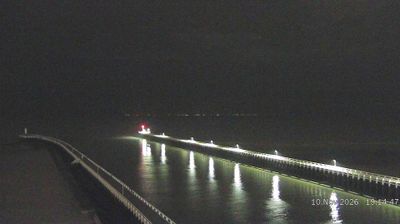
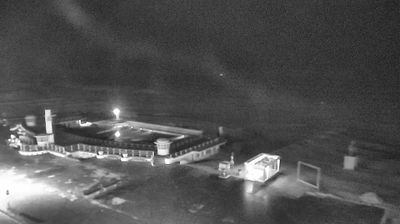
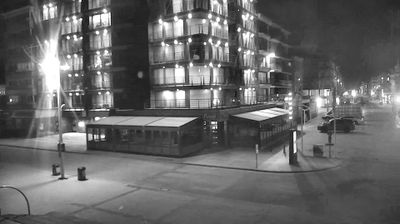
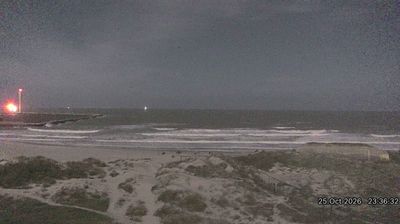


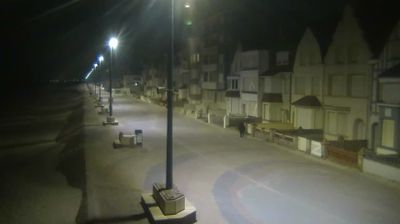

Nieuwpoort is best known in Flanders for the Ganzepoot, a knot of locks and channels where the IJzer reaches the North Sea. This engineered meeting of river, harbour and coast has long shaped a town divided between its historic centre inland and the seaside district of Nieuwpoort-Bad. The Westfront Nieuwpoort monument recalls the opening of the sluices in 1914, which flooded the IJzer plain and helped halt the German advance during the First World War. Today, the marina, broad beach and dune-backed shoreline add a distinctly maritime rhythm to the town. Browse additional webcams from the surrounding Belgian coast to extend your view of Nieuwpoort and West Flanders.
3 webcams
Flanders occupies the low-lying northern half of Belgium. Its terrain runs from the North Sea coast and reclaimed polders to fertile river plains, with the Scheldt linking cities and ports before reaching the sea in the Netherlands. Dutch is the principal language, and the region's historic towns retain a strong civic identity: Bruges is known for its medieval centre, while Antwerp developed into one of Europe’s major port cities and a global diamond-trading centre. Flemish painting, lace-making and beer brewing remain central to the cultural story, alongside a contemporary design and food scene. Continue through nearby webcams to explore different parts of Flanders.
49 webcams
Belgium occupies a low-lying North Sea coastline and river plain in northwestern Europe. Dutch-speaking Flanders lies largely to the north, while French-speaking Wallonia reaches south towards the wooded Ardennes; Brussels is officially bilingual. The Scheldt and Meuse have long connected Belgian cities with the North Sea and continental Europe. Brussels’ Grand-Place, framed by ornate guildhalls and the Town Hall, is a UNESCO World Heritage site. Medieval Bruges retains canals and merchant architecture, while Antwerp remains a major port on the Scheldt. Belgian beer culture is recognised by UNESCO as intangible cultural heritage. See how Belgium connects with the North Sea coast and neighbouring regions by browsing webcams nearby.
98 webcams