 Kutno: Osiedle Grunwald: Jana Pawła II - Podrzeczna
The landscape around Kutno is low-lying and largely level, which has shaped both the built environment and local life. Set in central Poland’s Łódź Voivodeship, the city developed as an important railway junction, a role that still connects it closely with larger Polish urban centres. The Ochnia River runs through Kutno, while broad streets, green verges, apartment blocks and older low-rise buildings give the central districts a practical, everyday character. Kutno is widely known in Poland as the City of Roses; its annual Rose Festival gives that identity a public cultural focus. This is a compact regional city, with civic institutions, shops and housing woven into the same urban fabric.
Generated by AI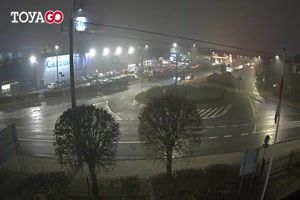
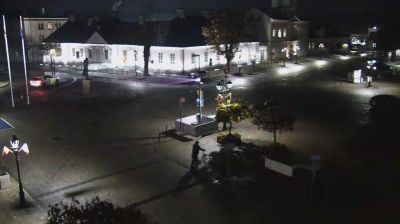

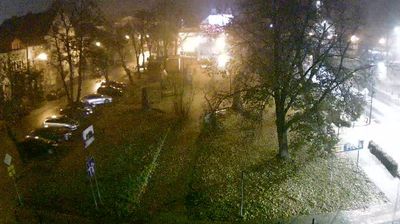


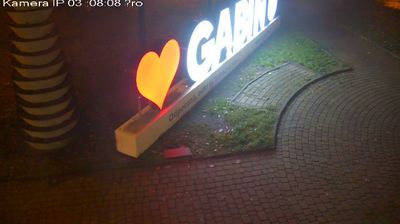
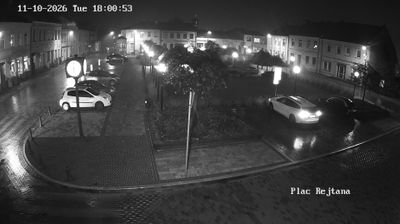

Kutno combines the energy of a rail junction with the measured rhythm of a provincial town in a way that reflects its central Polish position on the Ochnia River. The town is widely known as Poland’s City of Roses, a reputation celebrated each year during the Rose Festival, when floral displays and horticulture take centre stage. Its transport links place Kutno on key rail routes between Warsaw and western Poland, while Łódź Voivodeship’s largely level agricultural country begins beyond the built-up streets. This is a useful place to encounter a less metropolitan side of central Poland, shaped by rail travel, regional trade and the rose-growing tradition. Browse additional webcams from the surrounding area to extend your view of Kutno and central Poland.
3 webcams
Łódź Voivodeship combines an industrial legacy with broad lowland countryside in a way that reflects its position in central Poland. Its capital, Łódź, expanded rapidly as a textile-manufacturing centre in the 19th century, and former mill buildings remain an important part of its urban identity. The revitalised Manufaktura complex is a prominent example of this heritage. Beyond the city, the Warta and Pilica rivers run through a region of fields, woodland and smaller towns. Piotrkowska Street, one of Łódź’s defining thoroughfares, remains central to city life. Find related webcams across central Poland to build a fuller picture of Łódź Voivodeship.
57 webcams
Poland stretches from the Baltic Sea coast in the north to the Carpathian Mountains along its southern frontier, encompassing broad lowlands, lake districts and upland ranges. The Vistula, the country’s longest river, links Kraków and Warsaw before reaching the Baltic near Gdańsk, while the Masurian Lake District is defined by a dense network of lakes. Kraków’s historic centre, including Wawel Castle, recalls Poland’s former royal capital; Warsaw’s rebuilt Old Town speaks to the city’s recovery after the Second World War. The Białowieża Forest preserves one of Europe’s last primeval lowland forests and is home to European bison. Follow how Poland’s regions relate to one another by browsing webcams across the country.
711 webcams