 Metković: Metković Neretvanski Gusar
Metković lies along the Neretva River, a broad lowland waterway winding between the limestone hills of southern Dalmatia. The town is a regional centre of the Lower Neretva valley, where wetlands and cultivated plots shape the river landscape before it reaches the Adriatic Sea. Riverside quays and small boats reflect a long connection with transport and trade. A few kilometres downstream, the village of Vid occupies the site of ancient Narona, once a Roman colony; the Archaeological Museum Narona was built around the remains of its Augusteum, a temple precinct dedicated to the imperial cult. Metković also stands close to the Neretva Delta, where channels, lakes and reed beds extend towards the border with Bosnia and Herzegovina.
Generated by AI




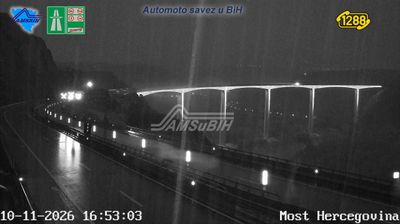
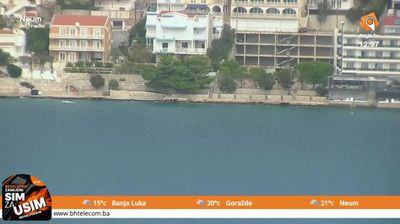

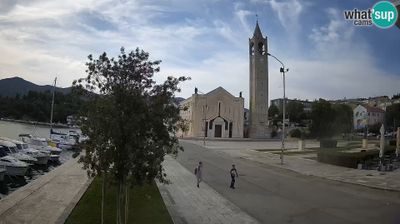

Metković sits on the Neretva River in Croatia’s Dubrovnik-Neretva County, where the broad Neretva valley opens toward the Adriatic coast. The town is a regional centre for the lower Neretva and lies close to Croatia’s border with Bosnia and Herzegovina. In nearby Vid, the Archaeological Museum Narona preserves in situ remains of a Roman temple and statues of emperors, recalling the ancient colony of Narona. Metković is also the starting point of the annual Marathon of Lađa, a traditional boat race that follows the Neretva to Ploče. See how Metković connects with the Neretva valley and southern Dalmatia by browsing webcams nearby.
1 webcam
Shaped by the sea routes of the southern Adriatic, Dubrovnik-Neretva County grew into Croatia’s southernmost county. Its territory is notably fragmented: the walled city of Dubrovnik faces the Adriatic, while the Pelješac Peninsula and the islands of Korčula, Mljet and Lastovo extend along the coast. The Neretva River reaches the sea north of Pelješac, forming Croatia’s best-known delta landscape. Dubrovnik’s Old City, once the centre of the Republic of Ragusa, is enclosed by renowned defensive walls and is UNESCO-listed. Mljet brings a quieter, wooded island character, centred on a national park with saltwater lakes. Continue through nearby webcams to explore different parts of Dubrovnik-Neretva County.
19 webcams
Croatia occupies a long Adriatic coastline in southeastern Europe. Its shore is broken into islands and sheltered coves, while the Dinaric Alps rise inland and the Danube forms part of its eastern border. Dubrovnik’s fortified old city faces the sea, and Split grew around Diocletian’s Palace, a Roman complex begun in the early fourth century. Inland, Plitvice Lakes National Park is known for terraced lakes linked by waterfalls and has been a UNESCO World Heritage Site since 1979. Istrian olive groves, Zagreb and Slavonia’s vineyards reveal distinct regional identities. Explore nearby webcam locations that provide complementary perspectives on the Adriatic coast and Croatia’s interior.
381 webcams