 Kragerø: Smedsbukta - Skrubodden offentlig badeplass - Havnefjorden - Gunnarsholmen - Furuholmen - Øya - Kragerøfjorden
The landscape around Kragerø is a low, island-dotted Skagerrak coast, which has shaped both the built environment and local life. The town occupies a sheltered shore among waterways including Havnefjorden and Kragerøfjorden, where homes, quays and small islands are closely interwoven. Furuholmen, Gunnarsholmen and Øya belong to this intricate coastal setting, while Skrubodden is a public bathing place and Smedsbukta a local bay. Kragerø has long faced outward to the sea rather than inland; its compact centre retains a strong tradition of painted timber houses. The artist Edvard Munch lived and worked in Kragerø from 1909 to 1916, and the surrounding coast became an important subject in his work.
Generated by AI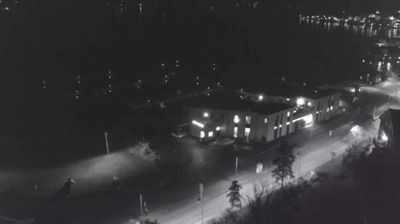
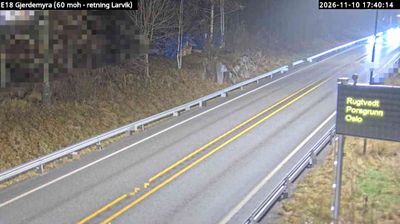

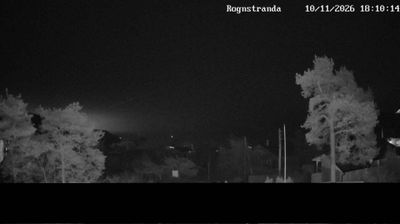


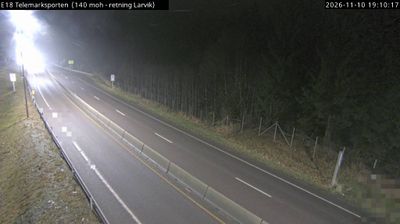
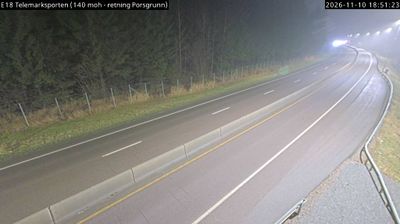
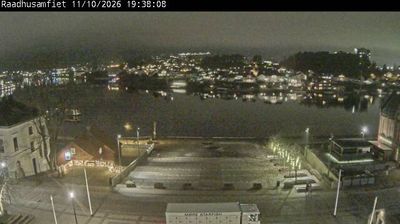
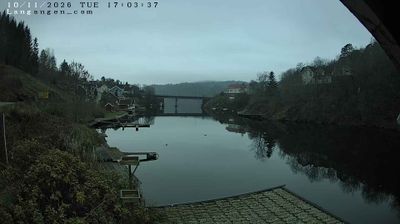

The landscape around Kragerø is a low, rocky Skagerrak coast broken by wooded islands and narrow inlets, which has shaped both urban form and local economy. The town spreads along sheltered waterfronts rather than a broad shore, with boats, quays and older wooden buildings central to its maritime character. Kragerø’s archipelago has long supported coastal travel, fishing and summer life, while ferries connect the centre with nearby islands. Artist Edvard Munch lived and worked here from 1909 to 1916; he painted The Sun in Kragerø for the monumental decorations of the University of Oslo’s Aula. Find related webcams along the Skagerrak coast to build a fuller picture of Kragerø and Telemark.
2 webcams
Telemark combines rugged mountain country with calm inland waterways in a way that reflects its position within southeastern Norway. Forested valleys, broad lakes and upland terrain give the region a markedly varied character, from the edge of the Hardangervidda plateau to settled districts further south. The Telemark Canal links Skien and Dalen through lakes and a sequence of historic locks, creating one of Norway’s best-known inland water routes. In Notodden, Heddal Stave Church stands as Norway’s largest surviving stave church, a powerful reminder of the region’s long craft traditions. Browse other webcams across Telemark to place this setting in a wider geographic context.
58 webcams
Norway has served as a seafaring link between the North Atlantic and northern Europe since the Viking Age. Its long coastline is cut by fjords, while the Lofoten archipelago rises sharply from the Norwegian Sea and the mountains of Jotunheimen include Galdhøpiggen, Norway’s highest peak. Bergen’s Bryggen, the former Hanseatic wharf, recalls centuries of maritime trade. Farther north, Sámi culture remains an essential part of the country’s identity. Explore nearby webcam locations that provide complementary perspectives on Norway’s coast, fjords and mountain regions.
1.5K webcams