 Wimereux: Plage Wimereux
Built around the mouth of the Wimereux River, Wimereux grew into a seaside resort on France’s Côte d’Opale. Its broad beach meets the English Channel along a low, open coastline north of Boulogne-sur-Mer, while a promenade links the shore with the town centre. The resort took shape during the later 19th century, and its streets retain a notable collection of Belle Époque villas in brick, stucco and timbered styles. Beach culture, period architecture and the Channel setting give Wimereux a distinct identity within Hauts-de-France.
Generated by AI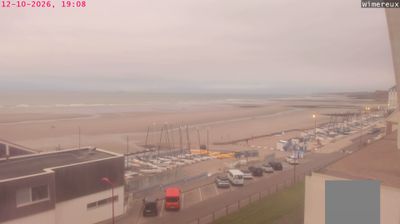

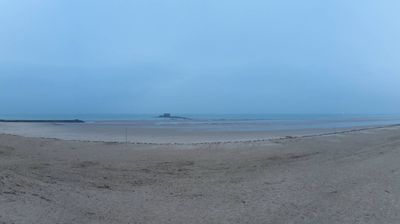
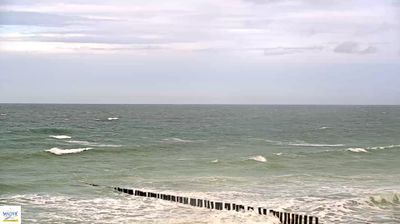
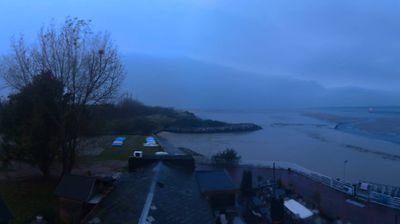


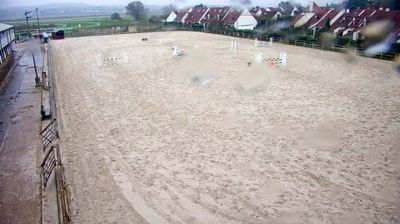


Wimereux lies on France’s Opal Coast at the mouth of the Wimereux River, where sandy shores, dunes and chalk headlands meet the English Channel. Just north of Boulogne-sur-Mer, the town faces the maritime route between France and Britain and forms part of the Côte d’Opale’s long coastal corridor. Wimereux grew as a seaside resort in the late 19th century, and Belle Époque villas still give its seafront a distinctive architectural character. The promenade and nearby coastal paths connect the town with the broader shoreline between Cap Gris-Nez and Cap Blanc-Nez. Discover other points of interest through webcams located across Hauts-de-France.
2 webcams
Formed through the 2016 merger of Nord-Pas-de-Calais and Picardy, Hauts-de-France became an administrative region spanning France’s northern frontier. The Somme crosses its broad, low-lying interior before reaching the English Channel, while the Opal Coast brings dunes, cliffs and busy Channel ports to the west. Around Albert and Péronne, cemeteries and memorials preserve the memory of the 1916 Battle of the Somme. Amiens, the regional capital, is marked by the Gothic Cathedral of Notre-Dame, a UNESCO World Heritage site. Lille adds a major urban and cultural centre close to Belgium. Continue with other webcams from the area to see how this part of northern France connects regionally.
78 webcams
The Atlantic and Mediterranean coastlines, together with the Alps, Pyrenees and broad river basins, define much of France — they support maritime trade, farming, wine regions and travel throughout the year. The Seine runs through Paris, where the Eiffel Tower and the Louvre are among Europe’s most recognised landmarks. The Loire Valley is known for Renaissance châteaux, while Mont-Saint-Michel rises from a tidal bay in Normandy. Regional food traditions are equally distinctive, from Breton seafood to Provençal cooking, with bread, cheese and wine central to everyday life. France’s global cultural influence is evident in its language, literature, fashion and cinema. View additional webcams nearby to better understand how France’s coasts, plains and mountain borders relate to their surroundings.
2.2K webcams