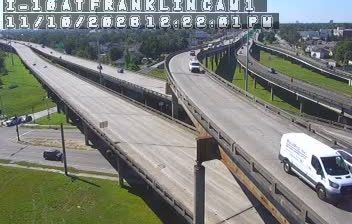
 New Orleans: HOV Ramp at General Degualle Exit
New Orleans straddles the Mississippi River in southeastern Louisiana, and its position on this broad waterway established the city as one of the United States’ leading ports. The US 90 Business corridor crosses the river on the Crescent City Connection, linking downtown with Algiers on the West Bank; General De Gaulle Drive is a principal arterial route through that district. Founded by the French in 1718, New Orleans developed a distinct Creole culture shaped by French, Spanish, African and Caribbean influences. The French Quarter preserves the city’s oldest streets and ironwork balconies, while jazz—whose early history is closely tied to New Orleans—remains central to its cultural identity. Low-lying neighbourhoods, river infrastructure and major elevated roads reflect the demands of building a large city in the Mississippi delta.
Generated by AI

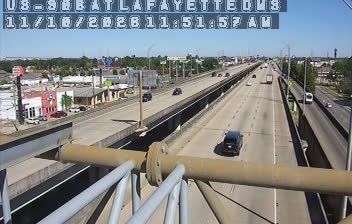

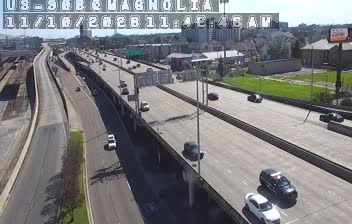
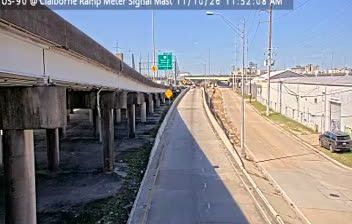


The Mississippi River defines the setting of New Orleans — its broad bend gave the city its Crescent City nickname and still shapes its working waterfront, levees and neighbourhoods. Founded by the French in 1718, New Orleans developed at a meeting point of French, Spanish, African and Caribbean influences that remain audible in its music and visible in its food and architecture. The French Quarter preserves the city’s best-known historic streets, including Jackson Square and St. Louis Cathedral, while streetcars run along St. Charles Avenue. Jazz is central to the city’s cultural identity, and Mardi Gras is its most celebrated annual season. Continue with other webcams from the area to see how this part of Louisiana connects regionally.
12 webcams
Low-lying river plains and wetlands define much of Louisiana - these waterways sustain shipping, fishing and agriculture while shaping settlement across the state. The Mississippi River follows Louisiana’s eastern side on its way to the Gulf of Mexico, while the Atchafalaya Basin is among North America’s largest floodplain wetlands. New Orleans is internationally known for jazz and Mardi Gras, traditions formed through French, African and Caribbean influences. Across the state, Cajun and Creole cooking remains central to local identity, with dishes such as gumbo and crawfish boils widely enjoyed. Explore further points of interest through webcams located across Louisiana.
308 webcams
The Atlantic, Pacific and Gulf coasts define much of the United States — their ports, fisheries and trade routes have long tied the country’s economy to the wider world. Between them, the Rocky Mountains, Great Plains and Mississippi River basin form sharply different regions, from high western ranges to broad agricultural heartlands. Cities carry much of the national story: New York’s Statue of Liberty, a gift from France dedicated in 1886, remains an enduring symbol, while Washington, DC concentrates major federal institutions. Indigenous nations have shaped these lands for millennia, and their living cultures remain essential to the country’s identity. Find related webcams in the surrounding areas to build a fuller picture of the United States.
32K webcams