 Tortosa
Few places in Catalonia have a history as closely tied to the Ebro River as Tortosa. Set on a strategic bend of the river, the city was an important centre under Islamic rule before its capture in 1148 by the forces of Count Ramon Berenguer IV. The Cathedral of Santa Maria, built over several centuries from the 14th century onwards, stands in the old quarter, while hilltop La Suda Castle preserves the form of Tortosa’s Islamic citadel. The Ebro still shapes the city: embankments, bridges and riverside districts connect its two banks, and the lowlands extend downstream towards the Ebro Delta. Tortosa also remains a traditional administrative and commercial centre for the Terres de l’Ebre.
Generated by AI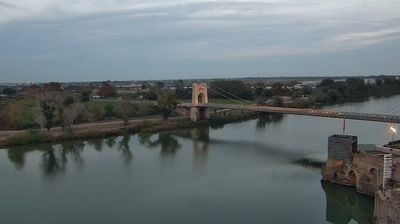
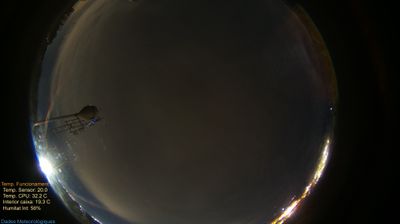

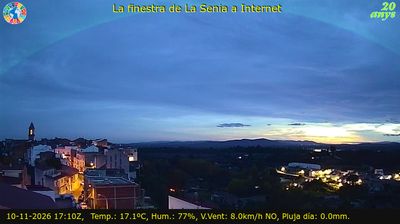
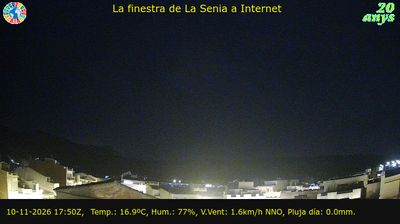


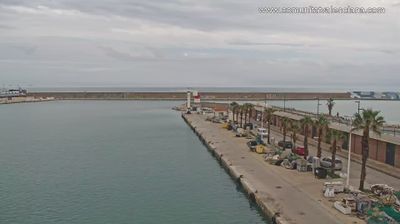

The landscape around Tortosa is defined by the wide lower Ebro River and its cultivated floodplain, which have shaped both the urban form and local economy. Set in southern Catalonia, the city developed as a strategic river crossing and port between the inland plain and the Ebro Delta. Its historic core rises from the river toward Suda Castle, a fortress of Islamic origin, while the Cathedral of Santa Maria preserves a major Gothic presence in the centre. Tortosa’s annual Festa del Renaixement brings the streets alive with a recreation of 16th-century life, recalling the town’s Renaissance-era role. Discover other points of interest through webcams located across Tortosa, the Ebro Delta and Catalonia.
1 webcam
Catalonia combines Mediterranean ease with rugged inland terrain in a way that reflects its position between the Pyrenees and Spain’s eastern coast. In northeastern Spain, the region extends from the coves of the Costa Brava to high mountain valleys and the Ebro Delta. Barcelona is its largest city and cultural reference point, known for Antoni Gaudí’s still-unfinished Sagrada Família. Inland, the serrated massif of Montserrat rises near Catalonia’s geographic centre and is home to the Benedictine monastery of Santa Maria de Montserrat. Catalan is co-official with Spanish, and the region’s language, cuisine and traditions give everyday life a distinct identity. Discover how Catalonia connects with the Pyrenees, coast and neighbouring regions by browsing webcams nearby.
272 webcams
Spain extends from the Cantabrian coast to the Canary Islands, encompassing Atlantic shores, Mediterranean beaches and the broad interior Meseta. The Pyrenees form its northeastern frontier, while the Guadalquivir crosses Andalusia on its way to the Atlantic. Madrid anchors the country’s political and cultural life, but distinct regional identities are central to Spain’s character: Catalonia, the Basque Country, Galicia and Andalusia each have their own languages or strong local traditions. Granada’s Alhambra is a major monument of the medieval Nasrid dynasty, and Santiago de Compostela remains the destination of the Camino de Santiago. Browse related webcams around the Iberian Peninsula to build a fuller picture of Spain.
1.4K webcams