 Castro-Urdiales: Castro Urdiales
Built around a natural harbour, Castro-Urdiales grew into a Cantabrian coastal town on the Bay of Biscay. Its roots reach back to the Roman colony of Flaviobriga, while the compact historic centre reflects the town’s later importance as a medieval port. The Gothic Church of Santa María de la Asunción stands beside Santa Ana Castle, a fortification later adapted as a lighthouse, on the harbour promontory. Fishing remains part of local life, and the waterfront links the old town with beaches and the surrounding Cantabrian coast. Castro-Urdiales lies close to the Basque Country, between Cantabria’s maritime traditions and the Bilbao urban area.
Generated by AI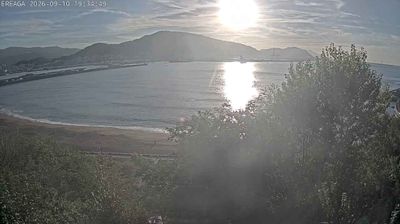
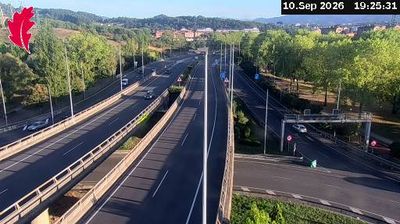

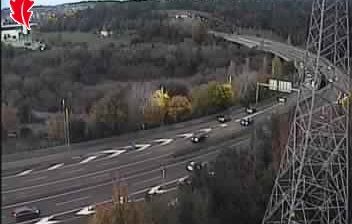


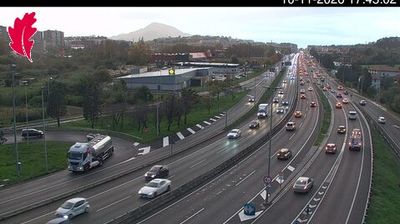




Castro-Urdiales sits on the Bay of Biscay in Cantabria, Spain, where the Cantabrian coast meets a sheltered historic harbour. Known to the Romans as Flaviobriga, the town later developed as a medieval seaport, and its old quarter still gathers around the water. The Gothic Church of Santa María de la Asunción rises beside Santa Ana Castle, whose lighthouse marks the harbour entrance. Fishing remains part of local life, while the waterfront links the port with beaches and the coastal promenade. Continue with other webcams from the area to see how this part of the Cantabrian coast connects regionally.
1 webcam
Cantabria occupies a narrow Atlantic coastal and mountain belt in northern Spain. The Bay of Biscay meets a deeply folded hinterland of green valleys, limestone massifs and rivers running north from the Cantabrian Mountains. The Picos de Europa extend into the region’s southwest, while the coast alternates between sandy beaches, cliffs and fishing ports. Santander, the regional capital, is an important seafront city, and near Santillana del Mar the Altamira Cave preserves internationally renowned Upper Palaeolithic paintings; access to the original cave is tightly restricted. Dairy farming, seafood and mountain traditions remain central to local life. Find related webcams in the surrounding area to build a fuller picture of Cantabria.
11 webcams
Spain extends from the Cantabrian coast to the Canary Islands, encompassing Atlantic shores, Mediterranean beaches and the broad interior Meseta. The Pyrenees form its northeastern frontier, while the Guadalquivir crosses Andalusia on its way to the Atlantic. Madrid anchors the country’s political and cultural life, but distinct regional identities are central to Spain’s character: Catalonia, the Basque Country, Galicia and Andalusia each have their own languages or strong local traditions. Granada’s Alhambra is a major monument of the medieval Nasrid dynasty, and Santiago de Compostela remains the destination of the Camino de Santiago. Browse related webcams around the Iberian Peninsula to build a fuller picture of Spain.
1.4K webcams