 Civitavecchia
 is best known within Italy for its port, Rome’s principal cruise and ferry harbour on the Tyrrhenian Sea. Founded by Emperor Trajan as Centumcellae, the settlement grew around a sheltered coastline northwest of Rome and remains a major maritime link with Sardinia, Sicily and other Mediterranean destinations. The waterfront is marked by the Forte Michelangelo, a defensive fortress begun under Pope Julius II and associated with Michelangelo’s work. Behind the port, residential quarters extend over low coastal ground, while the sea remains central to the city’s daily identity. Civitavecchia connects a working Italian city with Rome’s international travel network.
Generated by AI



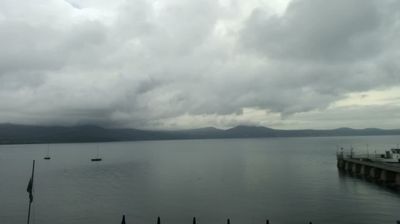
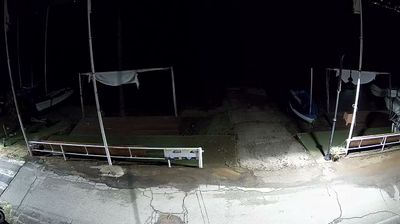


Civitavecchia combines the working energy of a major port with the slower rhythm of a Tyrrhenian seafront in a way that reflects its long role as Rome’s maritime outlet. The harbour, developed under Emperor Trajan in the early second century AD, continues to shape the town’s links with the wider Mediterranean. Forte Michelangelo, the imposing Renaissance fortress beside the port, recalls the strategic importance of this stretch of Lazio’s coast under the papacy. Inland, the Terme Taurine ruins preserve traces of Roman bathing culture. Discover other points of interest through webcams located across Civitavecchia and Lazio.
2 webcams
Lazio combines the energy of Italy’s capital with broad rural and mountain districts in a way that reflects its position between the Tyrrhenian coast and the central Apennines. Rome is its defining centre: the Roman Forum, Colosseum and Vatican City place the region at the core of European history, while the Tiber runs through the city on its course to the sea. Beyond Rome, the Lazio shoreline, volcanic lakes and hill towns give the region a varied geography. Ancient Ostia preserves remains of Rome’s harbour town at the mouth of the Tiber. Discover how Lazio connects with central Italy by browsing webcams in nearby areas.
126 webcams
Among the countries of southern Europe, Italy stands out for its Mediterranean coastline and cities marked by the legacy of ancient Rome. The Alps form its northern frontier, while the Apennines run down the peninsula and the Po crosses the broad plain of the north. Rome’s Colosseum and Roman Forum recall the ancient empire; Florence is closely associated with the Renaissance, and Venice is built across a lagoon on the Adriatic. Food changes markedly between regions, from olive-oil cooking in the south to rice dishes in the Po Valley. Sicily and Sardinia add distinct island identities to a country whose regions retain strong local character. Explore nearby webcam locations that provide complementary perspectives on Italy’s coasts, cities and mountains.
3.1K webcams