 Bunol: Eólico de Buñol Park
Buñol combines a wooded inland setting with the exposed ridges of its wind park in a way that reflects its position between the Valencian coastal plain and the mountains west of Valencia. The municipality lies in the Hoya de Buñol, where the Buñol River crosses limestone terrain and small cultivated plots mingle with Mediterranean pine and scrub. On the heights around Alto Gordo, Eólico de Buñol Park puts open upland ground to use for renewable energy. In town, the medieval Castle of Buñol stands above the old centre. Buñol is internationally known for La Tomatina, the tomato-throwing festival held on the last Wednesday of August.
Generated by AI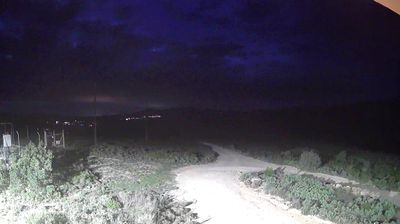
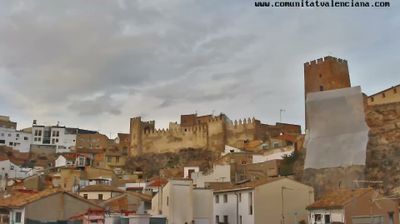

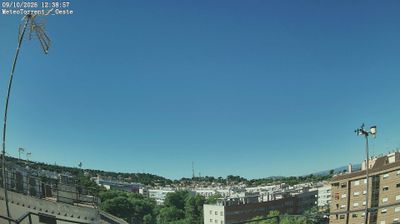
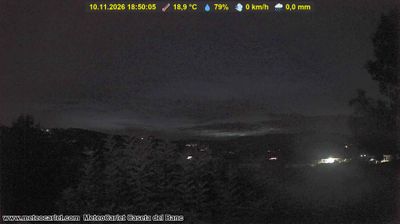

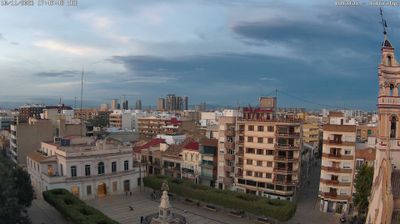


The Buñol River defines the setting of Buñol — its inland valley has long concentrated the town’s streets and orchards between the foothills west of Valencia. Above the centre, Buñol Castle preserves a medieval fortress complex with several courtyards and a local museum. The town is internationally associated with La Tomatina, the tomato-throwing festival held each year on the last Wednesday of August. Away from the festival, Buñol remains a working centre of the Hoya de Buñol, with rail and road links towards Valencia. Continue with other webcams from the area to see how this part of the Valencian Community connects regionally.
3 webcams
The Valencian Community has served as a Mediterranean cultural crossroads within eastern Spain since the Middle Ages. Its coastline on the Balearic Sea extends from the Costa del Azahar to the Costa Blanca, while the Turia and Júcar rivers cross fertile plains inland. Valencia, the regional capital, was the centre of the medieval Kingdom of Valencia, founded in 1238, and preserves the Silk Exchange, a UNESCO World Heritage site. Rice cultivation around the Albufera lagoon informs local cooking, including paella, while the annual Fallas festivities fill Valencia with sculpture, fire and civic ritual. Discover other points of interest through webcams located across the Valencian Community.
82 webcams
Spain extends from the Cantabrian coast to the Canary Islands, encompassing Atlantic shores, Mediterranean beaches and the broad interior Meseta. The Pyrenees form its northeastern frontier, while the Guadalquivir crosses Andalusia on its way to the Atlantic. Madrid anchors the country’s political and cultural life, but distinct regional identities are central to Spain’s character: Catalonia, the Basque Country, Galicia and Andalusia each have their own languages or strong local traditions. Granada’s Alhambra is a major monument of the medieval Nasrid dynasty, and Santiago de Compostela remains the destination of the Camino de Santiago. Browse related webcams around the Iberian Peninsula to build a fuller picture of Spain.
1.4K webcams