 Lindau
Built around an island settlement on Lake Constance, Lindau grew into a historic Bavarian lakeside town. Its old town occupies an island connected to the mainland by a road link and railway embankment, while the shoreline opens across the lake towards Austria and Switzerland. Lindau’s harbour entrance is marked by the Bavarian Lion and the New Lighthouse, completed in 1856; together they are enduring symbols of the town. In the Middle Ages, Lindau was an Imperial Free City, and its compact island core retains narrow lanes, gabled houses and churches from successive periods. Lake Constance links the Alpine foreland with a three-country shoreline, and Lindau forms part of the region’s passenger-boat and cycling networks.
Generated by AI
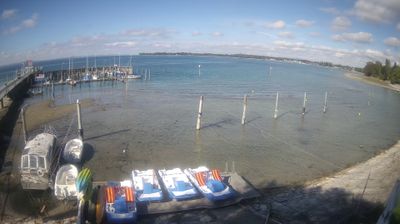
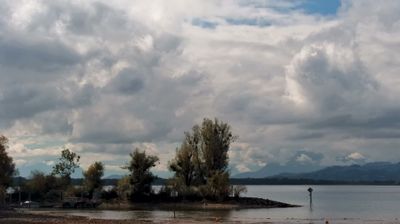


Lindau combines the compact atmosphere of an island old town with the open horizon of Lake Constance in a way that reflects its position on Bavaria’s southwestern shore. The historic centre occupies an island linked to the mainland by road and rail, while the lake connects Germany with Austria and Switzerland. Lindau’s harbour entrance is marked by the Bavarian Lion and a lighthouse, enduring symbols of its waterfront. Medieval streets lead to the former town hall, whose painted façade recalls Lindau’s long status as a Free Imperial City. Ferries and passenger boats keep the harbour central to local life. Discover how Lindau fits within the wider Lake Constance region by browsing webcams nearby.
5 webcams
Built around the early medieval Duchy of Bavaria, Bavaria grew into Germany’s largest federal state. The Danube crosses its broad centre, while the Bavarian Alps form its southern edge and include the Zugspitze, Germany’s highest mountain. Munich is the state capital and the home of Oktoberfest, a festival rooted in an 1810 royal wedding. Beyond the metropolis, Franconia’s vineyards, Swabian towns and Alpine resorts reveal how varied this part of Germany can be. Browse additional webcams from the surrounding area to extend your view of Bavaria.
867 webcams
Germany stretches from the North Sea and Baltic Sea coasts to the Alps on its southern border, encompassing northern plains, river valleys and forested uplands. The Rhine, Danube and Elbe have long connected its regions, while the Black Forest and Bavarian Alps give the south a more dramatic relief. Berlin’s Brandenburg Gate and Museum Island reflect the capital’s role in German history and culture. Cologne Cathedral, a UNESCO World Heritage Site, rises above the Rhine, and the Bauhaus movement, founded in Weimar in 1919, transformed modern design far beyond Germany. Regional cooking, Christmas markets and brewing traditions bring further character to daily life. Browse additional webcams from the surrounding area to extend your view of Germany.
2.8K webcams