 Dubrovnik: Stradun - Dubrovnik Bell Tower
Among the places of Dubrovnik-Neretva County, Dubrovnik stands out for its limestone-walled Old Town on the Adriatic Sea. Stradun is its principal east–west thoroughfare, running through the historic centre between the Pile and Ploče gates. It follows the line of a former channel that separated the island settlement of Lausa from the mainland until it was filled after 1296. The Dubrovnik Bell Tower was first built in 1444 beside Luža Square and has long marked the civic heart of the former Republic of Ragusa. The uniform stone façades along Stradun were largely shaped by rebuilding after the 1667 earthquake, while red-tiled roofs and defensive walls define the old city’s form.
Generated by AI


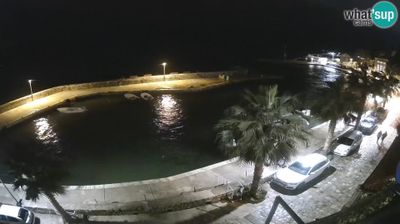

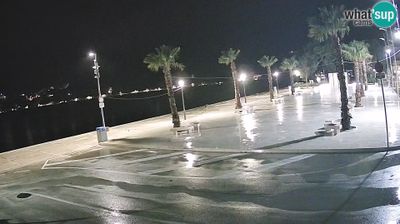


Among the cities of Dubrovnik-Neretva County, Dubrovnik stands out for its almost completely preserved stone walls above the Adriatic Sea. The fortified Old Town, a UNESCO World Heritage Site since 1979, developed as the Republic of Ragusa, a maritime state that maintained its independence for centuries through diplomacy and trade. Stradun, the main limestone-paved street, runs between the Pile and Ploče gates, while the Rector’s Palace recalls the city’s former government. Beyond the walls, ferries connect the harbour with the wooded island of Lokrum and the Elaphiti Islands. Browse additional webcams from the surrounding area to extend your view of Dubrovnik and the southern Adriatic.
1 webcam
Shaped by the sea routes of the southern Adriatic, Dubrovnik-Neretva County grew into Croatia’s southernmost county. Its territory is notably fragmented: the walled city of Dubrovnik faces the Adriatic, while the Pelješac Peninsula and the islands of Korčula, Mljet and Lastovo extend along the coast. The Neretva River reaches the sea north of Pelješac, forming Croatia’s best-known delta landscape. Dubrovnik’s Old City, once the centre of the Republic of Ragusa, is enclosed by renowned defensive walls and is UNESCO-listed. Mljet brings a quieter, wooded island character, centred on a national park with saltwater lakes. Continue through nearby webcams to explore different parts of Dubrovnik-Neretva County.
19 webcams
Croatia occupies a long Adriatic coastline in southeastern Europe. Its shore is broken into islands and sheltered coves, while the Dinaric Alps rise inland and the Danube forms part of its eastern border. Dubrovnik’s fortified old city faces the sea, and Split grew around Diocletian’s Palace, a Roman complex begun in the early fourth century. Inland, Plitvice Lakes National Park is known for terraced lakes linked by waterfalls and has been a UNESCO World Heritage Site since 1979. Istrian olive groves, Zagreb and Slavonia’s vineyards reveal distinct regional identities. Explore nearby webcam locations that provide complementary perspectives on the Adriatic coast and Croatia’s interior.
381 webcams