 Gunzburg: Bavaria, Germany
Built around the Roman fort of Guntia near the confluence of the Günz and Danube, Günzburg grew into the district town of Bavarian Swabia. Its old town occupies a rise above the river plain, with tightly grouped gabled houses, church towers and the Margravial Castle shaping the skyline. Günzburg belonged to Habsburg Further Austria from 1301 until 1805, an unusual chapter in a town now firmly associated with Bavaria. The Günz flows north through the town to the Danube, while the broader surroundings retain the mix of settlement, woodland and cultivated land typical of the Swabian Danube valley. The historic centre gives Günzburg a scale distinct from the nearby larger cities of Ulm and Augsburg.
Generated by AI

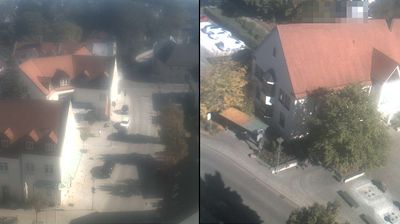

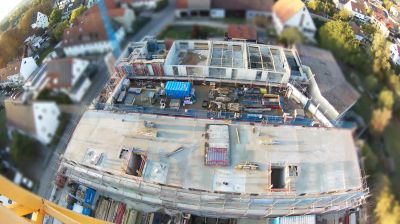




Günzburg lies along the Günz River in Bavarian Swabia, and its position close to the Danube has made it a long-standing regional crossroads. For centuries, the town served as the administrative centre of the Habsburg Margraviate of Burgau, a past reflected in the orderly streets and historic buildings of its old town. The 18th-century Frauenkirche, designed by the Swabian master builder Dominikus Zimmermann, is a notable landmark, while LEGOLAND Deutschland Resort has given Günzburg an international family-tourism role since 2002. Find related webcams in the surrounding area to build a fuller picture of Bavarian Swabia.
4 webcams
Built around the early medieval Duchy of Bavaria, Bavaria grew into Germany’s largest federal state. The Danube crosses its broad centre, while the Bavarian Alps form its southern edge and include the Zugspitze, Germany’s highest mountain. Munich is the state capital and the home of Oktoberfest, a festival rooted in an 1810 royal wedding. Beyond the metropolis, Franconia’s vineyards, Swabian towns and Alpine resorts reveal how varied this part of Germany can be. Browse additional webcams from the surrounding area to extend your view of Bavaria.
861 webcams
Germany stretches from the North Sea and Baltic Sea coasts to the Alps on its southern border, encompassing northern plains, river valleys and forested uplands. The Rhine, Danube and Elbe have long connected its regions, while the Black Forest and Bavarian Alps give the south a more dramatic relief. Berlin’s Brandenburg Gate and Museum Island reflect the capital’s role in German history and culture. Cologne Cathedral, a UNESCO World Heritage Site, rises above the Rhine, and the Bauhaus movement, founded in Weimar in 1919, transformed modern design far beyond Germany. Regional cooking, Christmas markets and brewing traditions bring further character to daily life. Browse additional webcams from the surrounding area to extend your view of Germany.
2.7K webcams