 Bussoleno: Via Ferrata dell'Orrido di Chianocco
Bussoleno has served as a route settlement in Piedmont since the Middle Ages. It stands in the Susa Valley, a long Alpine corridor traced by the Dora Riparia as it flows east towards Turin. Nearby, the Orrido di Chianocco is a steep, narrow gorge whose rock walls form the setting for the Via Ferrata dell’Orrido di Chianocco, an equipped climbing route. Wooded slopes rise above the settled valley floor. The wider Susa Valley has long connected Turin with Alpine crossings towards France, and Bussoleno remains one of its rail-served communities.
Generated by AI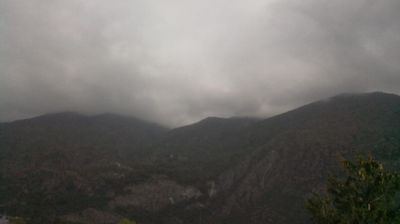
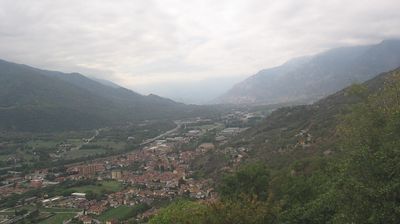

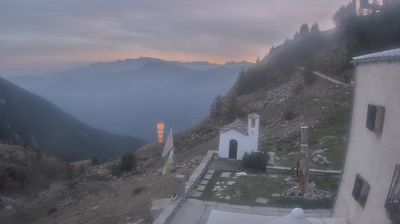

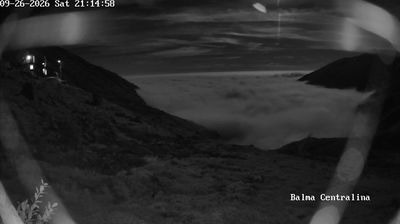
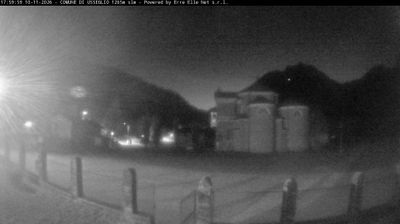

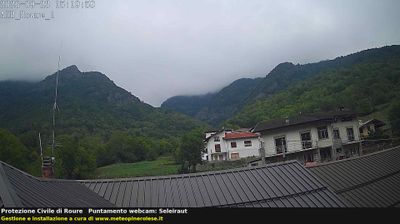

Tucked along the Dora Riparia in the narrow Susa Valley, Bussoleno is a place whose character is shaped by an Alpine transport corridor between Turin and France. Beneath the Cottian Alps, rail and road routes follow the river through Piedmont towards the French border. Its historic centre retains stone-built houses and narrow lanes, reflecting the town’s long connection with travel through the valley. The Via Francigena passes through this part of Val di Susa, placing Bussoleno on the historic pilgrimage route linking Canterbury with Rome. Explore additional webcams nearby to understand how Bussoleno relates to the Susa Valley and the surrounding Alps.
1 webcam
Piedmont occupies Italy’s northwestern corner, between the Alps, the Apennines and the Po Valley. The Po, Italy’s longest river, begins in the Cottian Alps and flows east across the region’s plains, while vine-covered hills define the Langhe, Roero and Monferrato areas. Turin, Piedmont’s principal city, was the first capital of unified Italy from 1861 to 1865 and remains closely associated with the House of Savoy, grand boulevards and chocolate-making. Beyond the city, the region’s identity ranges from Alpine valleys to rice fields around Vercelli and renowned wine country. Move on to other webcams in the region to compare landscapes and settings around Piedmont.
277 webcams
Among the countries of southern Europe, Italy stands out for its Mediterranean coastline and cities marked by the legacy of ancient Rome. The Alps form its northern frontier, while the Apennines run down the peninsula and the Po crosses the broad plain of the north. Rome’s Colosseum and Roman Forum recall the ancient empire; Florence is closely associated with the Renaissance, and Venice is built across a lagoon on the Adriatic. Food changes markedly between regions, from olive-oil cooking in the south to rice dishes in the Po Valley. Sicily and Sardinia add distinct island identities to a country whose regions retain strong local character. Explore nearby webcam locations that provide complementary perspectives on Italy’s coasts, cities and mountains.
2.6K webcams