 Grums: Nyängsrondellen nordost
Grums has served as an industrial centre in Värmland since the late 19th century. The town stands near the northern shore of Lake Vänern, where forest and farmland meet the transport corridors of west-central Sweden. Nyängsrondellen is part of the road network connecting the E18 and E45, two of the area’s principal long-distance routes. Grums developed around the timber trade and forest industries; the Gruvön mill remains a major local employer, producing pulp and paper-based packaging materials. Rail and road links underline the town’s practical role between Karlstad, western Sweden and Norway.
Generated by AI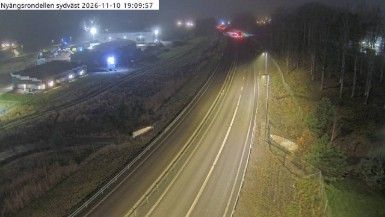
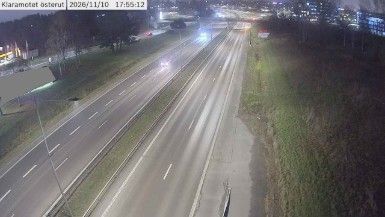
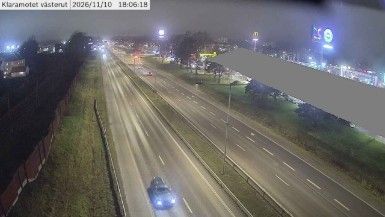

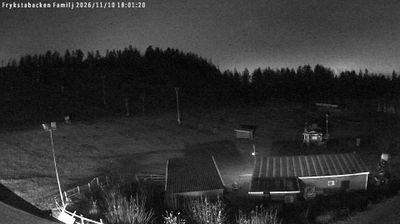

Tucked along the northern shore of Lake Vänern in Värmland, Grums is a town whose character is shaped by the waterway and the forests that supply the local paper industry. Vänern, Sweden’s largest lake, gives the area a broad lakeside setting, while woodland and wetland country extends inland across the county. Industrial life remains central: Gruvön Mill in Grums is part of Billerud’s pulp and paper operations, linking the town to Sweden’s long-established forest-products economy. The former ironworks community of Borgvik, within Grums Municipality, recalls the region’s earlier ironmaking tradition. Browse additional webcams from the surrounding area to extend your view of Lake Vänern and Värmland.
1 webcam
The terrain of Värmland County ranges from wooded uplands along the Norwegian border to the low shores of Lake Vänern in the south, giving it a strongly inland character. Forest, water and long river valleys shape this west-central Swedish county, where the Klarälven flows south through Karlstad before reaching Vänern. Karlstad, the county seat, stands at the river’s delta and provides Värmland’s main urban focus. The region’s identity also reflects forestry, ironworking and literary heritage: Mårbacka near Sunne was the home of Nobel Prize-winning author Selma Lagerlöf. Explore related webcams in the surrounding area to build a fuller picture of Värmland County.
12 webcams
Sweden combines Baltic coastal life with Arctic expanses in a way that reflects its position within northern Europe. Forests, lakes and long shorelines define much of the country, from Lake Vänern in the south to the Gulf of Bothnia and the mountains along the Norwegian border. Stockholm spreads across islands where Lake Mälaren meets the Baltic Sea, while the preserved 17th-century warship at the Vasa Museum recalls Sweden’s era as a major European power. Midsummer celebrations and the traditions of the Sámi people add further depth to its regional identity. Browse other webcams across Sweden to place this setting in a wider geographic context.
990 webcams