 Wrzesnia: Wrzesnia City Town Square
Września is best known in Poland for the Września school strike of 1901–1902, when Polish children and their families resisted the enforced use of German in religious instruction under Prussian rule. The episode became a lasting symbol of resistance to Germanisation and is remembered at the Museum of Września Children. The town’s rectangular market square is framed by restored historic facades and later urban buildings, reflecting several periods of change. Września stands on the Wrześnica River in eastern Greater Poland, a region closely associated with the beginnings of the Polish state. Its centre remains the civic and commercial core of this county town.
Generated by AI
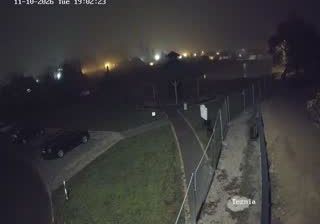
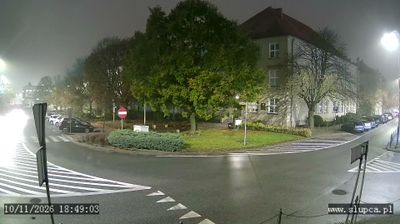

Września is best known within Poland for the 1901–1902 school strike, when local children and their families resisted Prussian attempts to impose German in religious instruction. The town lies on the Wrześnica River in eastern Greater Poland, amid the lowland farmland of the Wielkopolska region. A monument in the centre commemorates the children of Września, while the local regional museum preserves material connected with the town’s past. The strike became an enduring symbol of Polish resistance to Germanisation under Prussian rule. Discover other points of interest through webcams located across Greater Poland Voivodeship.
1 webcam
The terrain of Greater Poland Voivodeship ranges from glacial lake districts in the north to broad lowlands in the south, creating a largely open landscape shaped by waterways and farming. The Warta, one of Poland’s principal rivers, crosses the region and flows through Poznań, its largest city and a major centre of trade, education and industry. Greater Poland has a central place in the country’s early history: Gniezno is closely associated with the beginnings of the Polish state, while Poznań’s Ostrów Tumski contains the city’s cathedral. Lakes, forests and cultivated fields give the voivodeship a distinctly inland character beyond its urban centres. Continue with other webcams from the area to see how this part of western Poland connects regionally.
29 webcams
Poland stretches from the Baltic Sea coast in the north to the Carpathian Mountains along its southern frontier, encompassing broad lowlands, lake districts and upland ranges. The Vistula, the country’s longest river, links Kraków and Warsaw before reaching the Baltic near Gdańsk, while the Masurian Lake District is defined by a dense network of lakes. Kraków’s historic centre, including Wawel Castle, recalls Poland’s former royal capital; Warsaw’s rebuilt Old Town speaks to the city’s recovery after the Second World War. The Białowieża Forest preserves one of Europe’s last primeval lowland forests and is home to European bison. Follow how Poland’s regions relate to one another by browsing webcams across the country.
717 webcams