 Traunstein: Bayern, Deutschland
Tucked between the Traun River and the foothills of the Chiemgau Alps, Traunstein is a town whose character is shaped by its position at the Bavarian Alpine fringe. It is the administrative seat of the Traunstein district and a traditional commercial centre for the Chiemgau region. The parish church of St Oswald forms a prominent point in the historic centre, where closely packed roofs and civic buildings reflect the town’s long-standing urban role. Salt was central to Traunstein’s development: a saltworks established in the early 17th century processed brine brought from Bad Reichenhall. The annual Georgiritt horse pilgrimage at Ettendorf is among the area’s best-known Bavarian traditions. Nearby Chiemsee, Bavaria’s largest lake, is another defining element of the regional geography.
Generated by AI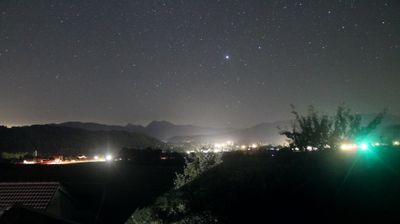
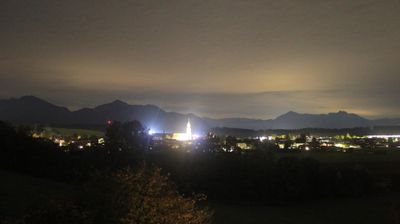

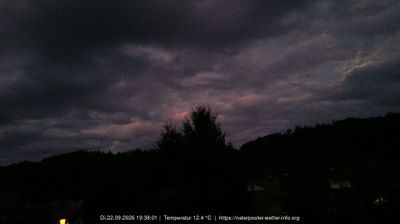

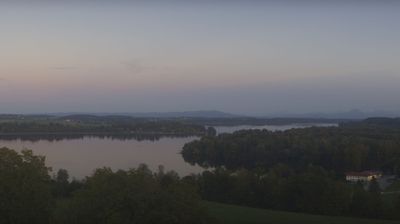

Traunstein is best known in Bavaria for its historic saltworks, which processed brine brought from Bad Reichenhall. The town stands on the Traun River in the Chiemgau region, in the foothills of the Bavarian Alps and near Lake Chiemsee. Salt shaped its early modern development: the Reichenhall–Traunstein brine pipeline entered service in 1619, and the local works remained important to the town for centuries. Tradition still takes centre stage during the annual Georgiritt, a mounted procession held on Easter Monday. Explore nearby webcam locations that provide complementary perspectives on Traunstein and Chiemgau.
1 webcam
Built around the early medieval Duchy of Bavaria, Bavaria grew into Germany’s largest federal state. The Danube crosses its broad centre, while the Bavarian Alps form its southern edge and include the Zugspitze, Germany’s highest mountain. Munich is the state capital and the home of Oktoberfest, a festival rooted in an 1810 royal wedding. Beyond the metropolis, Franconia’s vineyards, Swabian towns and Alpine resorts reveal how varied this part of Germany can be. Browse additional webcams from the surrounding area to extend your view of Bavaria.
867 webcams
Germany stretches from the North Sea and Baltic Sea coasts to the Alps on its southern border, encompassing northern plains, river valleys and forested uplands. The Rhine, Danube and Elbe have long connected its regions, while the Black Forest and Bavarian Alps give the south a more dramatic relief. Berlin’s Brandenburg Gate and Museum Island reflect the capital’s role in German history and culture. Cologne Cathedral, a UNESCO World Heritage Site, rises above the Rhine, and the Bauhaus movement, founded in Weimar in 1919, transformed modern design far beyond Germany. Regional cooking, Christmas markets and brewing traditions bring further character to daily life. Browse additional webcams from the surrounding area to extend your view of Germany.
2.8K webcams