 Greda: Live webcam Sisak - Croatia
Greda straddles the urban fringe of Sisak and the Sava lowlands in Sisak-Moslavina County, a position that connects a local settlement with the county’s principal city. The wider Sisak area stands near the confluence of the Kupa and Sava, rivers that have long shaped movement and trade across central Croatia. Sisak grew on the site of the Roman settlement of Siscia and later developed as a river port. Greda has a distinctly urban character, with paved public space, ornate older façades, modest shops and larger apartment or office blocks lending the area an everyday working atmosphere.
Generated by AI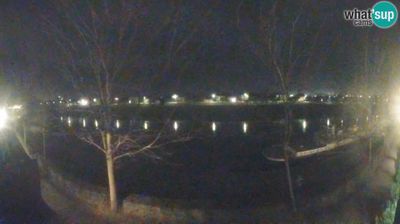

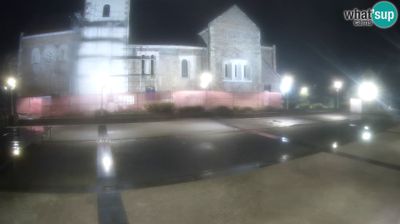
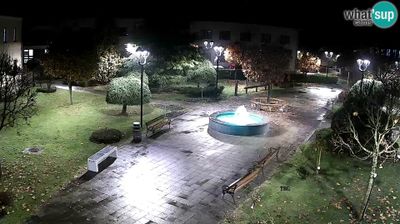
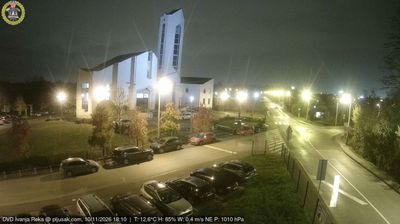

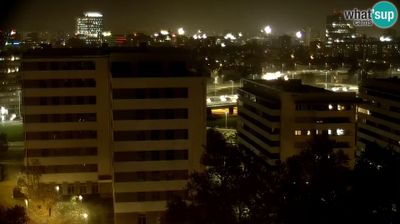

Few settlements in Sisak-Moslavina County have a history as closely tied to the agricultural life of the Kupa lowlands as Greda. Northwest of Sisak, it sits in a flat central Croatian setting shaped by fields, scattered homes and the nearby Kupa River floodplain. The surrounding area leads toward Sisak, a city that developed from the Roman settlement of Siscia and stands at the confluence of the Kupa and Sava rivers. Continue with other webcams from the area to see how this part of Sisak-Moslavina County connects regionally.
1 webcam
Built around the Sava and Kupa river corridors, Sisak-Moslavina County grew into a lowland Croatian region where river trade, farming and wetland life have long intersected. Sisak, the county seat, stands at the confluence of the Kupa and Sava on the site of Roman Siscia, once an important settlement in the province of Pannonia. East of the city, Lonjsko Polje Nature Park preserves a broad Sava floodplain of seasonally inundated grasslands, oak forests and traditional wooden architecture in its settlements. The county also reaches into the wooded Moslavina area and the Kupa valley around Petrinja. Browse additional webcams from the surrounding area to extend your view of Sisak-Moslavina County.
6 webcams
Croatia occupies a long Adriatic coastline in southeastern Europe. Its shore is broken into islands and sheltered coves, while the Dinaric Alps rise inland and the Danube forms part of its eastern border. Dubrovnik’s fortified old city faces the sea, and Split grew around Diocletian’s Palace, a Roman complex begun in the early fourth century. Inland, Plitvice Lakes National Park is known for terraced lakes linked by waterfalls and has been a UNESCO World Heritage Site since 1979. Istrian olive groves, Zagreb and Slavonia’s vineyards reveal distinct regional identities. Explore nearby webcam locations that provide complementary perspectives on the Adriatic coast and Croatia’s interior.
381 webcams