 Brtonigla: Aquapark - Istralandia
Brtonigla lies above the Mirna River valley in north-western Istria, where vineyards, olive groves and wooded lowlands extend toward the Adriatic coast. The settlement is also known by its Italian name, Verteneglio, reflecting the Croatian-Italian character of this part of the peninsula. Its agricultural identity is centred on wine and olive oil, with the local terrain shaped by Istria’s red soils. Near the village, Aquapark Istralandia adds a contemporary family-leisure landmark to an otherwise rural setting, with pools, slides and landscaped grounds. Brtonigla sits within easy reach of the coastal towns of Novigrad and Umag, yet retains the compact, cultivated character of inland western Istria.
Generated by AI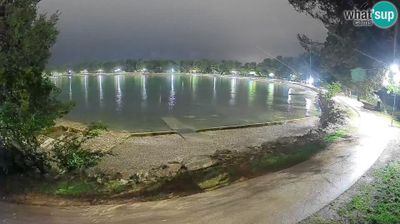
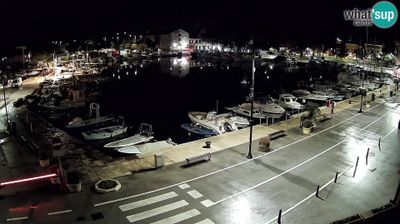
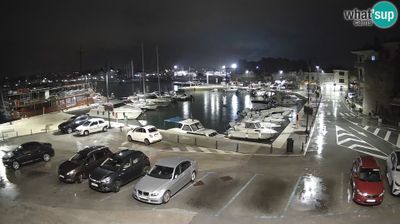
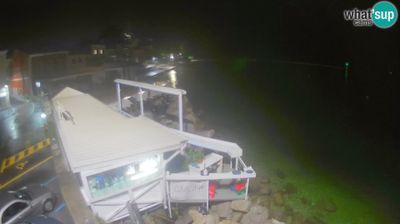


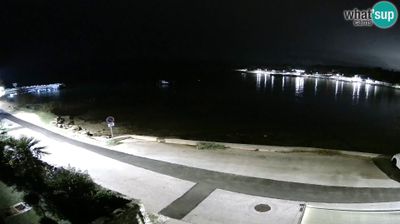
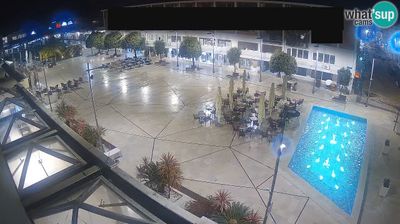
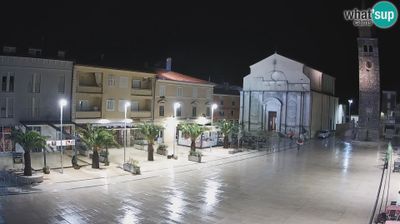

Brtonigla straddles the gentle limestone uplands between the Mirna River valley and the Adriatic coast in northwestern Istria, a position that has tied this rural community to both the peninsula’s interior and its shore. Vineyards and olive groves shape the surrounding fields, reflecting traditions for which this part of Istria is widely known. The Parish Church of St Zenon anchors Brtonigla’s historic centre, while nearby Mramornica Cave adds a distinctly karst feature to the area. Find related webcams across northwestern Istria to build a fuller picture of Brtonigla and its surroundings.
1 webcam
The Adriatic coastline and limestone interior define much of Istria County – together they support tourism, vineyards, olive groves and smaller farms. Croatia’s westernmost county occupies most of the Istrian peninsula, where the Mirna River runs through northern valleys towards the sea. Pula’s Roman amphitheatre is among its best-known historic landmarks, while Poreč’s Euphrasian Basilica is inscribed on UNESCO’s World Heritage List. Rovinj and other old coastal ports recall centuries of Adriatic trade; inland, hill towns and regional food traditions create a markedly different rhythm. Discover nearby webcam locations for complementary perspectives on Istria County.
45 webcams
Croatia occupies a long Adriatic coastline in southeastern Europe. Its shore is broken into islands and sheltered coves, while the Dinaric Alps rise inland and the Danube forms part of its eastern border. Dubrovnik’s fortified old city faces the sea, and Split grew around Diocletian’s Palace, a Roman complex begun in the early fourth century. Inland, Plitvice Lakes National Park is known for terraced lakes linked by waterfalls and has been a UNESCO World Heritage Site since 1979. Istrian olive groves, Zagreb and Slavonia’s vineyards reveal distinct regional identities. Explore nearby webcam locations that provide complementary perspectives on the Adriatic coast and Croatia’s interior.
381 webcams