 Mali Losinj: Priko ulica - Svjetionik
Few places in the northern Adriatic have a history as closely tied to seafaring and shipbuilding as Mali Lošinj. The town is arranged around a deep, sheltered bay on Lošinj, a Kvarner island in the northern Adriatic. Priko ulica belongs to the harbour-side street network, where quays, boat berths and tightly built houses climb the slopes above the water. During the 19th century, Mali Lošinj developed into a leading centre of sailing-ship trade and shipbuilding. Its maritime identity is also explored at the Museum of Apoxyomenos, dedicated to an ancient bronze athlete recovered from the sea near Lošinj in 1996. The harbour remains the town’s social and practical centre, connecting its waterfront with a long seafaring tradition.
Generated by AI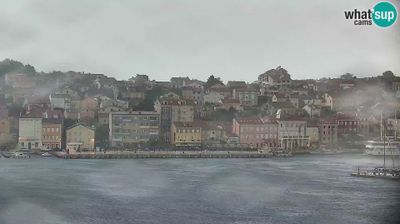
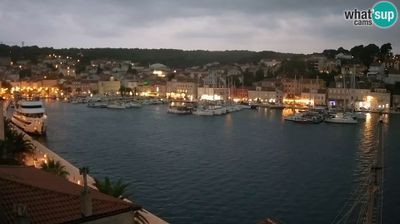
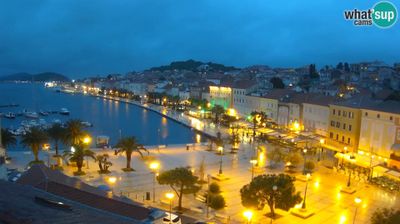

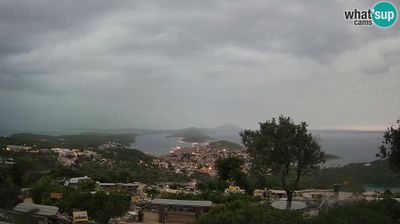
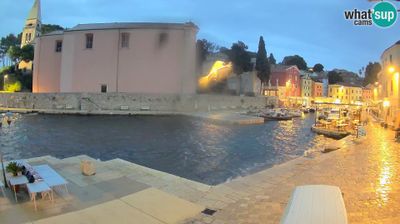
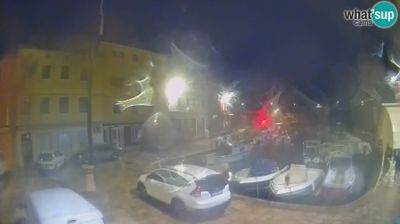

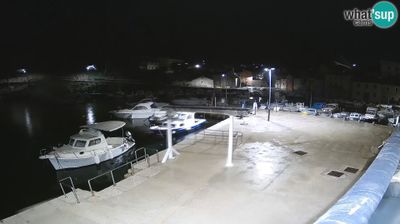

Mali Lošinj occupies a sheltered harbour on the southern side of Lošinj Island in Croatia’s Kvarner Bay. The town developed into an important Adriatic seafaring and shipbuilding centre during the 19th century, a legacy reflected in its waterfront and former captains’ houses. Its long harbour leads towards the open Adriatic, while pine-lined Čikat Bay lies nearby on the island’s western shore. Mali Lošinj is also home to the Museum of Apoxyomenos, dedicated to an ancient bronze athlete statue recovered from the sea near Lošinj. Discover other points of interest through webcams located across Lošinj Island and Kvarner Bay.
1 webcam
The terrain of Primorje-Gorski Kotar County ranges from Adriatic islands and coastal bays in its southwest to forested highlands in Gorski Kotar to the northeast, giving the county a pronounced maritime-to-mountain character. Kvarner Bay links the port city of Rijeka with islands including Krk, Cres and Lošinj, while the Velebit Channel marks part of the coast farther south. Rijeka has long been Croatia’s principal seaport and was a European Capital of Culture in 2020. Inland, the wooded slopes and karst terrain of Gorski Kotar contrast sharply with the exposed shore and island settlements. Browse additional webcams from the surrounding area to extend your view of Kvarner and Primorje-Gorski Kotar County.
68 webcams
Croatia occupies a long Adriatic coastline in southeastern Europe. Its shore is broken into islands and sheltered coves, while the Dinaric Alps rise inland and the Danube forms part of its eastern border. Dubrovnik’s fortified old city faces the sea, and Split grew around Diocletian’s Palace, a Roman complex begun in the early fourth century. Inland, Plitvice Lakes National Park is known for terraced lakes linked by waterfalls and has been a UNESCO World Heritage Site since 1979. Istrian olive groves, Zagreb and Slavonia’s vineyards reveal distinct regional identities. Explore nearby webcam locations that provide complementary perspectives on the Adriatic coast and Croatia’s interior.
381 webcams