 Rovaniemi: Tie81 - Juotasniemi - Tienpinta
Rovaniemi has served as a trading centre in Finnish Lapland since the 19th century. The city stands where the Ounasjoki joins the Kemijoki, two major rivers of northern Finland, and is the administrative capital of Lapland. Rovaniemi was almost entirely destroyed during the Second World War; its reconstruction was guided in part by Finnish architect Alvar Aalto, whose plan gave the city centre its distinctive spread-out form. The Arctic Circle runs just north of the urban area, while roads lead outward through the broad forests and river country of the Finnish north. Rovaniemi is also widely associated with Arctic Circle tourism and serves as a practical urban base for exploring Lapland.
Generated by AI
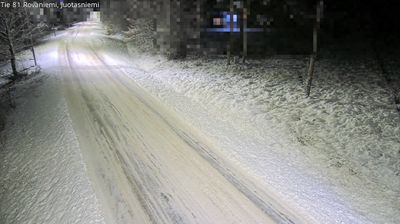
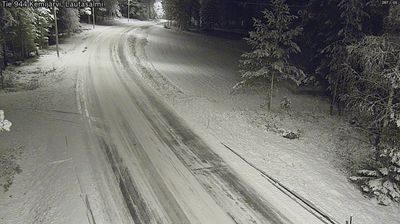
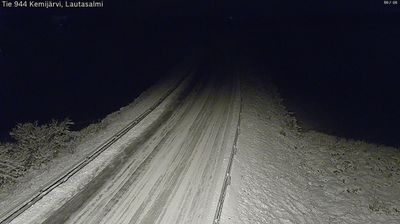
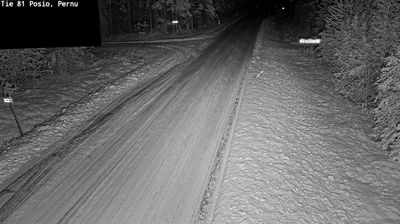
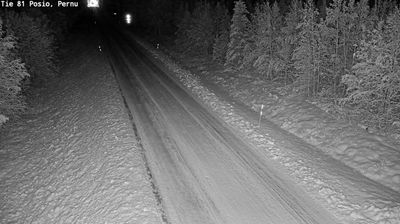
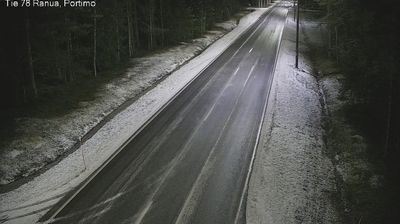
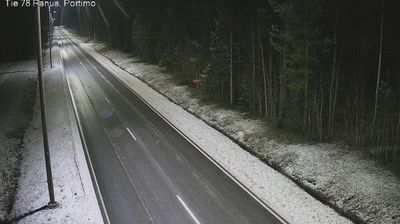
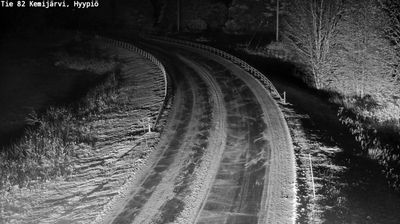
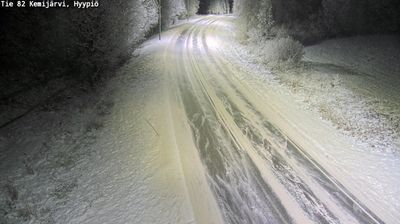

Among the cities of Mainland Finland, Rovaniemi stands out for its position at the meeting of the Kemijoki and Ounasjoki rivers, close to the Arctic Circle. It is the capital of Finnish Lapland and a practical base for experiencing the north through every season, from long summer daylight to winter snow. Rebuilt after the Lapland War, the city’s post-war plan was shaped by the Finnish architect Alvar Aalto. The Arktikum museum and science centre examines Arctic life, while Santa Claus Village marks the Arctic Circle north of the centre. Discover other points of interest through webcams located across Finnish Lapland.
22 webcams
Built around river valleys, reindeer husbandry and forestry, Lapland developed into Finland’s northernmost and largest region. Long winters, forests and rounded fells define its inland character, while the Kemijoki, Finland’s longest river, drains a large part of the area. Sámi culture is central to the north of the region; Finnish settlements have also long depended on woodland work and river routes. Rovaniemi, Lapland’s administrative centre, stands at the meeting of the Kemijoki and Ounasjoki and is home to the Arktikum science centre and museum. Explore nearby webcam locations that provide complementary perspectives on Finnish Lapland.
202 webcams
The terrain of Finland ranges from low coastal plains along the Gulf of Bothnia to fells in Lapland, creating a country of forests, lakes and long northern distances. More than 180,000 lakes shape everyday life, while the Lakeland region is threaded with waterways and islands. Helsinki, on the Gulf of Finland, combines neoclassical landmarks around Senate Square with contemporary Finnish design. Farther north, the Sámi are Finland’s only recognised Indigenous people, and their culture remains closely connected to the Arctic region. In winter, snow and ice transform the north; in summer, long daylight extends outdoor life well into the evening. Continue through nearby webcams to explore different parts of Finland.
1.7K webcams