 Vaasa: Tie 8 - Kotiranta - Vaasaan
Vaasa combines a maritime setting with a strongly bilingual civic identity in a way that reflects its position on Finland’s west coast. Set on the Gulf of Bothnia, it is the principal urban centre of Ostrobothnia, with both Finnish and Swedish serving as official languages. Vaasa was founded in 1606 under Swedish rule; following the devastating fire of 1852, its centre was rebuilt several kilometres northwest of Old Vaasa. The nearby Kvarken Archipelago, shared with Sweden, is a UNESCO World Heritage site recognised for the ongoing land uplift that followed the Ice Age. Vaasa is also a major Finnish energy-technology hub, while its waterfront, islands and road links shape everyday life on the coast.
Generated by AI

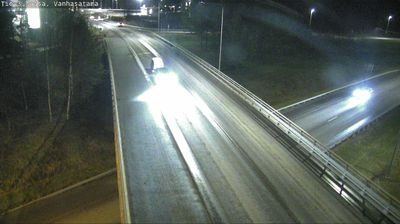
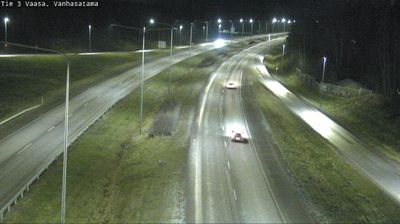
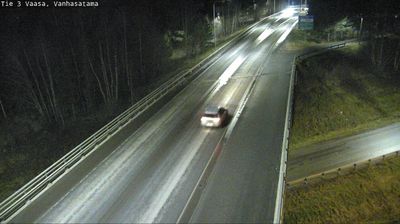
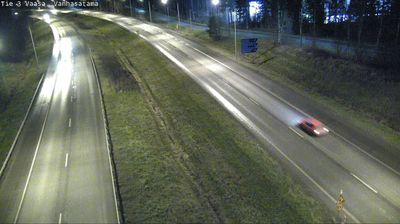

Vaasa sits on the Kvarken coast in Finland, where post-glacial land uplift continually reshapes the shallow shoreline of the Gulf of Bothnia. The city faces the Kvarken Archipelago, part of a UNESCO World Heritage site shared with Sweden’s High Coast; its moraine formations and newly emerging islands distinguish this stretch of the Baltic. Vaasa was founded in 1606 under Swedish rule, and after the destructive fire of 1852 it was rebuilt closer to the harbour. Old Vaasa preserves traces of the former town, while Finnish and Swedish remain integral to local life on this bilingual coast. Move on to other webcams in western Finland to compare coastal landscapes and settings around Kvarken.
15 webcams
Ostrobothnia stretches from the Gulf of Bothnia coast to the inland forest belt, encompassing broad farmland, river valleys and a low, gradually rising shoreline. Vaasa, the regional centre, reflects the area’s bilingual Finnish and Swedish-speaking character. Offshore, the Kvarken Archipelago is part of the UNESCO-listed High Coast/Kvarken Archipelago, recognised for land uplift that continues to reshape its shallow waters and islands. The coast is also linked by ferry to Umeå in Sweden, underlining Ostrobothnia’s long connection with the wider Gulf of Bothnia. Discover other points of interest through webcams located across Ostrobothnia.
81 webcams
The terrain of Finland ranges from low coastal plains along the Gulf of Bothnia to fells in Lapland, creating a country of forests, lakes and long northern distances. More than 180,000 lakes shape everyday life, while the Lakeland region is threaded with waterways and islands. Helsinki, on the Gulf of Finland, combines neoclassical landmarks around Senate Square with contemporary Finnish design. Farther north, the Sámi are Finland’s only recognised Indigenous people, and their culture remains closely connected to the Arctic region. In winter, snow and ice transform the north; in summer, long daylight extends outdoor life well into the evening. Continue through nearby webcams to explore different parts of Finland.
1.7K webcams