 Valras-Plage: Région Languedoc-Roussillon, France
Valras-Plage has served as a seaside resort on the Occitanie coast since the late 19th century. It lies on the Gulf of Lion, near the mouth of the Orb, where a long sandy shore meets the built-up coastal plain west of Béziers. The settlement grew from a fishing community into a holiday town, and its waterfront brings together beach space, a promenade and harbour facilities. Beyond the shore lies the wider Languedoc landscape of vineyards, lagoons and canal towns. Valras-Plage forms a Mediterranean counterpart to Béziers, whose historic centre stands inland above the Orb valley.
Generated by AI

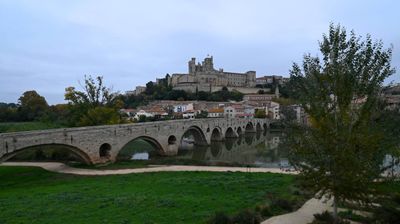
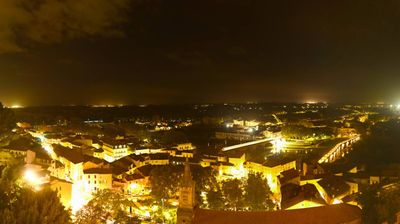
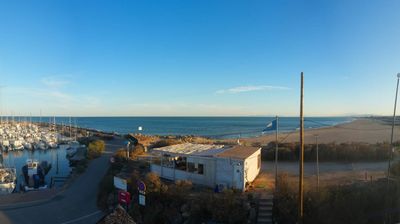

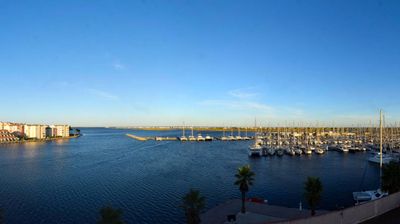

Valras-Plage sits on the Mediterranean coast in Occitanie, France, where wide sandy shores meet the low-lying Languedoc plain. The town faces the Gulf of Lion, part of a broad coastline shaped by beaches and seasonal resort life. Its long seafront promenade, cafés and family beaches set a relaxed coastal rhythm, while vineyards associated with the Béziers area lie inland. Valras-Plage became an independent commune in 1931 after separating from Sérignan, marking its place as a distinct resort town. Explore nearby webcam locations that provide complementary perspectives on the Gulf of Lion coast.
1 webcam
Occitania occupies a broad southern belt in France, extending from the Massif Central and the Pyrenees to the Mediterranean coast. These coordinates lie in the inland Haut-Languedoc area, where wooded hills and reservoirs around the upper Agout contrast with coastal plains farther east. Toulouse, the regional capital, stands on the Garonne and is associated with the Canal du Midi, a 17th-century waterway linking the city with the Mediterranean and listed as a UNESCO World Heritage Site since 1996. Roman sites, fortresses connected with the Cathar past, and the Occitan language tradition reveal the many layers of southern French identity. Continue through nearby webcams to explore different parts of Occitania.
214 webcams
The Atlantic and Mediterranean coastlines, together with the Alps, Pyrenees and broad river basins, define much of France — they support maritime trade, farming, wine regions and travel throughout the year. The Seine runs through Paris, where the Eiffel Tower and the Louvre are among Europe’s most recognised landmarks. The Loire Valley is known for Renaissance châteaux, while Mont-Saint-Michel rises from a tidal bay in Normandy. Regional food traditions are equally distinctive, from Breton seafood to Provençal cooking, with bread, cheese and wine central to everyday life. France’s global cultural influence is evident in its language, literature, fashion and cinema. View additional webcams nearby to better understand how France’s coasts, plains and mountain borders relate to their surroundings.
2.2K webcams