 Lovran: Šetalište maršala Tita - Ulica Žrtava fašizma
Lovran straddles the transition between the slopes of Učka and the Kvarner Bay coast in Primorje-Gorski Kotar County, a position that has long concentrated settlement and traffic along its narrow seafront. Šetalište maršala Tita is the town’s principal coastal street, while Ulica Žrtava fašizma leads into the older centre. Lovran developed as a medieval settlement and retains a compact historic core around the parish church of St George. It belongs to the Opatija Riviera, where promenades and resort-era architecture reflect the coast’s long Adriatic tourism tradition. Lovran is also known in Croatia for maruni, locally grown sweet chestnuts celebrated at the annual Marunada festival.
Generated by AI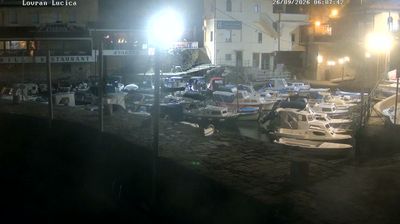
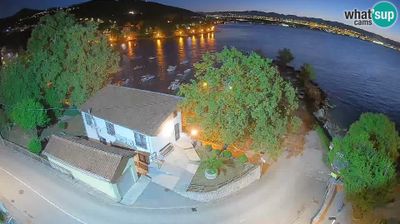
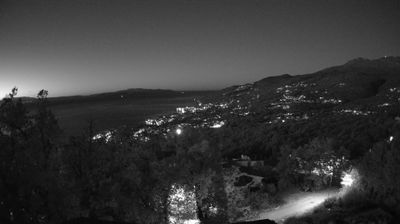
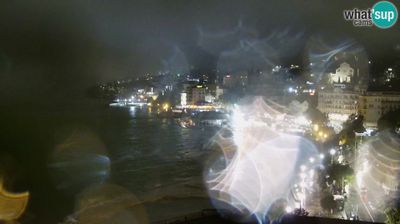
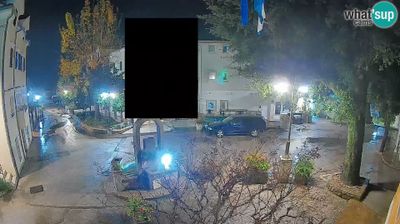
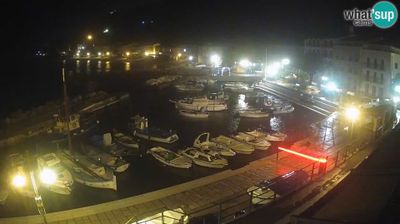
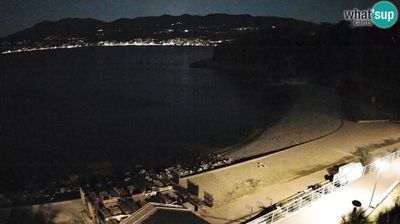

Among the cities of Primorje-Gorski Kotar County, Lovran stands out for its old coastal centre beneath the Učka massif. On Kvarner Bay, it developed around a medieval settlement whose narrow lanes still lead to the parish church of St George and remnants of the town walls. Lovran is closely associated with maruni, a local variety of sweet chestnut; the autumn Marunada festival celebrates the harvest through food and local customs. The Lungomare coastal promenade links Lovran with neighbouring resorts, while Učka Nature Park rises directly behind town. Move on to other webcams in Primorje-Gorski Kotar County to compare coastal landscapes and settings around Kvarner Bay.
1 webcam
The terrain of Primorje-Gorski Kotar County ranges from Adriatic islands and coastal bays in its southwest to forested highlands in Gorski Kotar to the northeast, giving the county a pronounced maritime-to-mountain character. Kvarner Bay links the port city of Rijeka with islands including Krk, Cres and Lošinj, while the Velebit Channel marks part of the coast farther south. Rijeka has long been Croatia’s principal seaport and was a European Capital of Culture in 2020. Inland, the wooded slopes and karst terrain of Gorski Kotar contrast sharply with the exposed shore and island settlements. Browse additional webcams from the surrounding area to extend your view of Kvarner and Primorje-Gorski Kotar County.
68 webcams
Croatia occupies a long Adriatic coastline in southeastern Europe. Its shore is broken into islands and sheltered coves, while the Dinaric Alps rise inland and the Danube forms part of its eastern border. Dubrovnik’s fortified old city faces the sea, and Split grew around Diocletian’s Palace, a Roman complex begun in the early fourth century. Inland, Plitvice Lakes National Park is known for terraced lakes linked by waterfalls and has been a UNESCO World Heritage Site since 1979. Istrian olive groves, Zagreb and Slavonia’s vineyards reveal distinct regional identities. Explore nearby webcam locations that provide complementary perspectives on the Adriatic coast and Croatia’s interior.
380 webcams