 Pordenone: Corso Vittorio Emanuele II
Developing around a river port on the Noncello, Pordenone grew into a commercial centre of western Friuli. Corso Vittorio Emanuele II forms the historic town’s principal axis, running between porticoed houses and civic palaces whose façades retain painted decoration. Formerly known as the Contrada Maggiore, the street reflects the influence of Venice, which ruled Pordenone from the early 16th century. Its arcades still shelter shops and everyday city life. The Cathedral of San Marco is among the key monuments of the old centre, while the Renaissance painter Il Pordenone took his name from the city. The Noncello connects this compact urban core with Friuli–Venezia Giulia’s lowland waterways.
Generated by AI
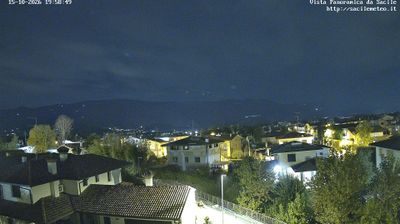
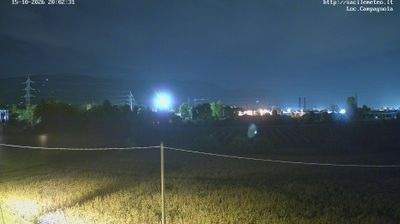


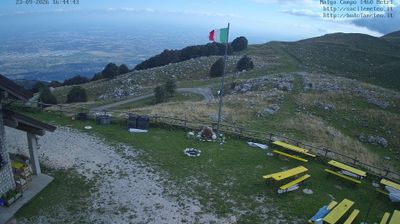
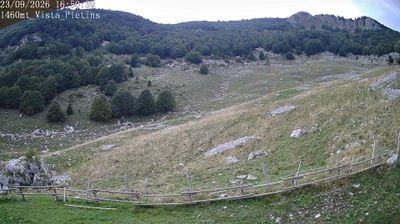
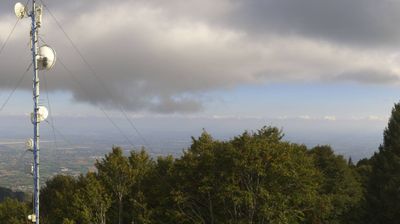

Pordenone lies along the Noncello River on the western Friulian plain, where lowland waterways lead toward the Alpine foothills. Its compact historic centre follows Corso Vittorio Emanuele II, a pedestrian street marked by arcaded, frescoed palaces and the Gothic Palazzo Comunale. The Cathedral of San Marco preserves works by the Renaissance painter Giovanni Antonio de’ Sacchis, better known as Il Pordenone, who took his name from the city. Every autumn, the internationally recognised Le Giornate del Cinema Muto festival draws archivists, musicians and film audiences for silent-cinema screenings. Browse additional webcams from the Pordenone area to extend your view of Friuli – Venezia Giulia.
1 webcam
Friuli-Venezia Giulia is best known within Italy for terrain that runs from the Julian Alps across the Friulian plain to the Adriatic. Bordering Austria and Slovenia in Italy’s northeast, it has long brought together Italian, Friulian, Slovenian and German-speaking communities. The Tagliamento flows through Friuli toward the sea, while the limestone Carso plateau rises behind Trieste. Aquileia preserves important Roman archaeological remains and an early Christian basilica; Trieste, meanwhile, developed under Habsburg rule into a major port. Browse other webcams across Friuli-Venezia Giulia to place this borderland in a wider Italian and Central European context.
97 webcams
Among the countries of southern Europe, Italy stands out for its Mediterranean coastline and cities marked by the legacy of ancient Rome. The Alps form its northern frontier, while the Apennines run down the peninsula and the Po crosses the broad plain of the north. Rome’s Colosseum and Roman Forum recall the ancient empire; Florence is closely associated with the Renaissance, and Venice is built across a lagoon on the Adriatic. Food changes markedly between regions, from olive-oil cooking in the south to rice dishes in the Po Valley. Sicily and Sardinia add distinct island identities to a country whose regions retain strong local character. Explore nearby webcam locations that provide complementary perspectives on Italy’s coasts, cities and mountains.
3.1K webcams