 Besancon: Place Flore
Place Flore occupies a central urban site on the north side of the Doubs River in Besançon, Bourgogne–Franche-Comté. Besançon grew around one of the river’s broad meanders: the historic core is framed by water, while the Citadel rises on the hill above it. Rebuilt and enlarged under the military engineer Vauban after Franche-Comté became French, the Citadel forms part of the UNESCO-listed Fortifications of Vauban, inscribed in 2008. The city also belongs to the watchmaking tradition of the Jura Arc, recognised by UNESCO as intangible cultural heritage in 2020. Place Flore sits within an urban setting where a contemporary public square connects to a strong legacy of fortification and precision craft.
Generated by AI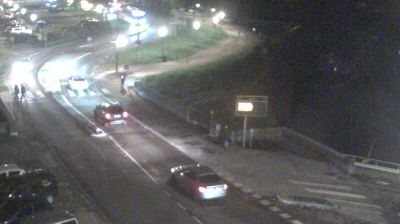

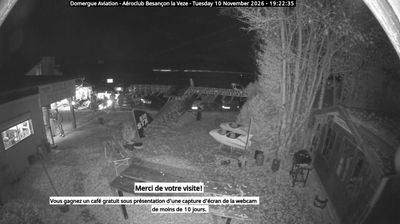


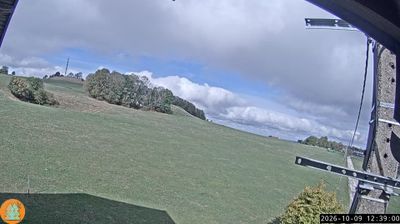
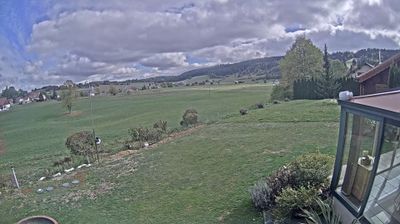

Besançon occupies a deep meander of the Doubs River below the Jura foothills in Bourgogne–Franche-Comté. The river nearly encircles the historic centre, while the limestone ridge of Mont Saint-Étienne rises above it. Vauban’s Citadel of Besançon, built for Louis XIV, crowns that ridge and forms part of UNESCO’s Fortifications of Vauban. Once the capital of Franche-Comté, the city is also closely associated with watchmaking; the Musée du Temps occupies the Renaissance Palais Granvelle. Its compact centre invites unhurried walks between quays, squares and layered stone architecture. See how Besançon relates to the Doubs valley and the Jura by browsing webcams nearby.
2 webcams
Bourgogne–Franche-Comté is best known within France for Burgundy’s climats, a UNESCO-listed mosaic of vineyard parcels and winegrowing settlements. The region joins the historic Burgundy wine country around Dijon and Beaune with Franche-Comté, where the Jura Mountains run along the Swiss border. The Saône crosses its western lowlands, while the Doubs shapes valleys farther east. Dijon’s Palace of the Dukes and Estates of Burgundy recalls the capital’s ducal past; in the Jura, Comté cheese is made under a protected designation of origin. Vineyards, stone towns, forests and mountain pastures give this large eastern region a distinctly varied identity. Discover other points of interest through webcams located across Bourgogne–Franche-Comté.
90 webcams
The Atlantic and Mediterranean coastlines, together with the Alps, Pyrenees and broad river basins, define much of France — they support maritime trade, farming, wine regions and travel throughout the year. The Seine runs through Paris, where the Eiffel Tower and the Louvre are among Europe’s most recognised landmarks. The Loire Valley is known for Renaissance châteaux, while Mont-Saint-Michel rises from a tidal bay in Normandy. Regional food traditions are equally distinctive, from Breton seafood to Provençal cooking, with bread, cheese and wine central to everyday life. France’s global cultural influence is evident in its language, literature, fashion and cinema. View additional webcams nearby to better understand how France’s coasts, plains and mountain borders relate to their surroundings.
2.2K webcams