 Mohacs: Duna
Mohács has served as a river port in southern Transdanubia since the Middle Ages. The Danube has long made the town an important crossing point between Hungary’s southern plains and the opposite bank. Mohács is closely associated with the Battle of Mohács in 1526, a decisive Ottoman victory that reshaped the history of the Hungarian Kingdom. Its best-known living tradition is Busójárás, held before Lent and centred on processions of masked busós; it was added to UNESCO’s Representative List of Intangible Cultural Heritage in 2009. River traffic, ferry links and the broad Danube shoreline remain central to the town’s identity.
Generated by AI

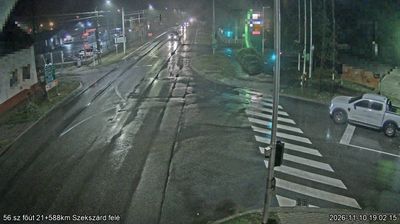
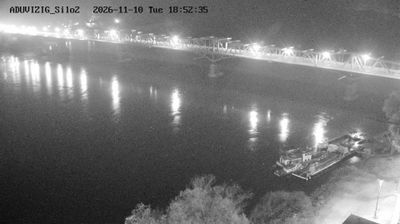

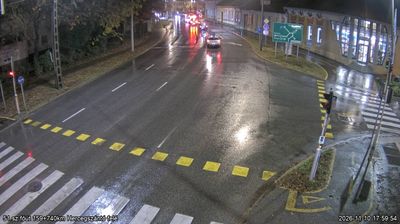

Mohács is best known within Hungary for Busójárás, the Shrovetide festival of masked busós in carved wooden masks and sheepskin garments. Set on the Danube in southern Transdanubia, the town is closely associated with the Croatian Šokci community whose traditions shape the celebration. Busójárás was inscribed on UNESCO’s Representative List of the Intangible Cultural Heritage of Humanity in 2009. Mohács also gives its name to the 1526 battle that became a defining event in Hungarian history. Explore nearby webcam locations that provide complementary perspectives on Mohács and southern Transdanubia.
2 webcams
Built around the lands west of the Danube, Transdanubia grew into Hungary’s broad western historical region. This location lies on Lake Balaton’s northern shore near Balatonfüred, where the Balaton Uplands rise behind the water in a mosaic of vineyards, basalt hills and small settlements. Lake Balaton, Central Europe’s largest lake, has long shaped local recreation, agriculture and summer life. Across the bay, the Tihany Peninsula is marked by its Benedictine Abbey, founded in 1055 and associated with one of Hungary’s earliest surviving written records. Continue with other webcams from the area to see how this part of western Hungary connects regionally.
304 webcams
Hungary combines a long urban tradition with expansive lowland horizons in a way that reflects its position within the Carpathian Basin. The Danube runs through Budapest, separating the hills of Buda from the grand boulevards of Pest, where the Hungarian Parliament Building stands on the riverbank. Beyond the capital, the Great Hungarian Plain shapes much of the east, while Lake Balaton, Central Europe’s largest lake, draws summer visitors to its shores. Thermal bathing remains part of everyday life, and the Tokaj region is internationally known for its historic sweet wines. Explore nearby webcam locations that provide complementary perspectives on Hungary.
743 webcams