 Keminmaa: Tie 4 - Rovaniemelle
Keminmaa is best known within Finnish Lapland for Keminmaa Old Church, a medieval stone parish church near the mouth of the Kemijoki. Built in the 16th century, it is noted for the naturally preserved remains of its former vicar, Nikolaus Rungius, who died in 1629. The municipality lies between Kemi and Tornio on the Gulf of Bothnia coast, where flat river-country terrain brings together woodland, farmland and scattered settlement. Finland’s National Road 4 follows this northern coastal corridor, linking the area with Oulu to the south and Tornio and the Swedish border to the north. Keminmaa combines an old parish landscape with an important transport route through Sea Lapland.
Generated by AI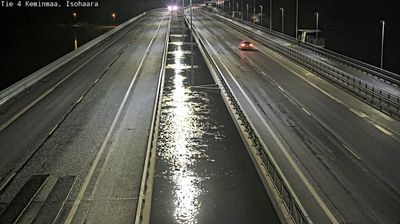
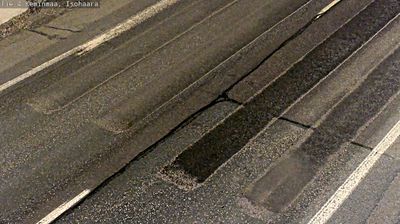
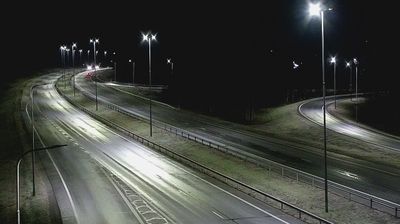
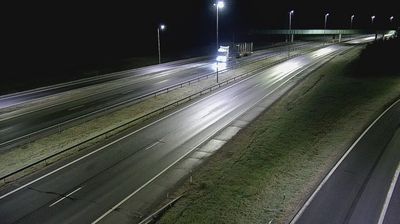

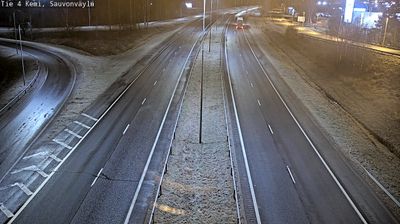

Keminmaa has served as a parish centre in the lower Kemijoki valley of northern Finland since the 19th century. The municipality stands near the point where the Kemijoki, Finland’s longest river, approaches the Gulf of Bothnia; its low coastal surroundings combine river channels, cultivated land and forest. Its principal historic monument is St Michael’s Church, a late-medieval stone church generally dated to around 1519 and among Finland’s northernmost medieval stone churches. Browse webcams across the lower Kemijoki valley and Bothnian coast to see how Keminmaa belongs to the wider area.
20 webcams
Built around river valleys, reindeer husbandry and forestry, Lapland developed into Finland’s northernmost and largest region. Long winters, forests and rounded fells define its inland character, while the Kemijoki, Finland’s longest river, drains a large part of the area. Sámi culture is central to the north of the region; Finnish settlements have also long depended on woodland work and river routes. Rovaniemi, Lapland’s administrative centre, stands at the meeting of the Kemijoki and Ounasjoki and is home to the Arktikum science centre and museum. Explore nearby webcam locations that provide complementary perspectives on Finnish Lapland.
201 webcams
The terrain of Finland ranges from low coastal plains along the Gulf of Bothnia to fells in Lapland, creating a country of forests, lakes and long northern distances. More than 180,000 lakes shape everyday life, while the Lakeland region is threaded with waterways and islands. Helsinki, on the Gulf of Finland, combines neoclassical landmarks around Senate Square with contemporary Finnish design. Farther north, the Sámi are Finland’s only recognised Indigenous people, and their culture remains closely connected to the Arctic region. In winter, snow and ice transform the north; in summer, long daylight extends outdoor life well into the evening. Continue through nearby webcams to explore different parts of Finland.
1.7K webcams