 Halifax: Beechville, Nova Scotia
Few places in Nova Scotia have a history as closely tied to Atlantic naval and commercial life as Halifax. Founded by the British in 1749 on a deep natural harbour, the provincial capital developed as a strategic port for the Royal Navy and merchant shipping. This northern mainland corridor lies beside Highway 102, a principal route between Halifax, its western suburbs and the wider provincial highway system. Downtown, Halifax Citadel National Historic Site stands above the waterfront, while the harbour remains central to ferry services, container traffic and the city’s identity. The surrounding road network reflects a metropolitan area where port, institutions and expanding suburban districts meet.
Generated by AI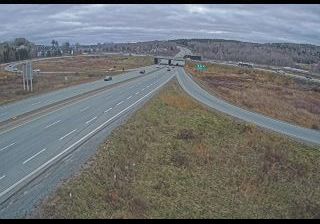
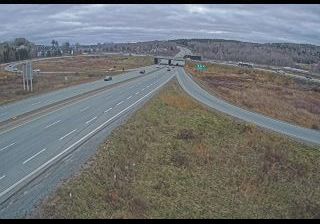
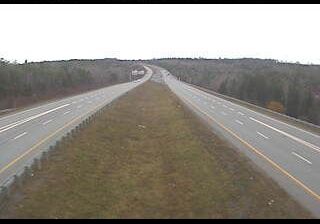
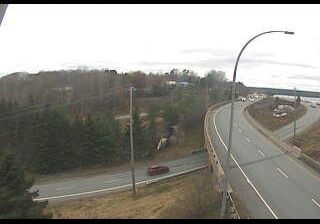
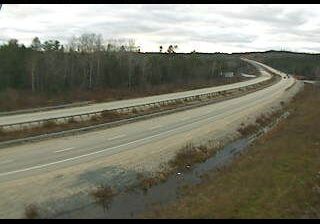
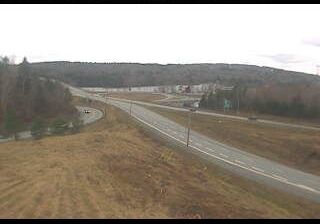
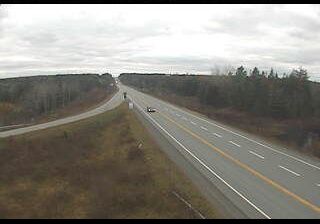
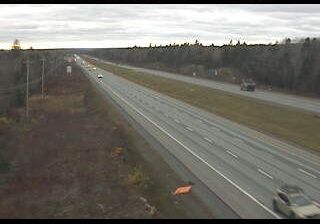
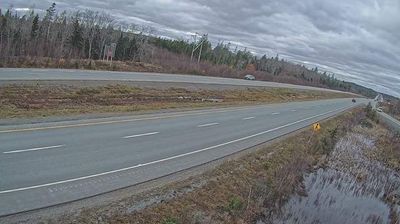
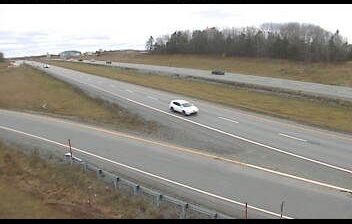

Halifax has served as a major Atlantic port in Nova Scotia since its founding in 1749. Set on the broad Halifax Harbour, the provincial capital faces Dartmouth across the water and looks toward the approaches of the Atlantic. The star-shaped Halifax Citadel, a 19th-century fortification on Citadel Hill, recalls the city's long military importance. Along the waterfront, the Canadian Museum of Immigration at Pier 21 interprets the journeys of nearly one million immigrants who arrived in Canada between 1928 and 1971. View additional webcams nearby to better understand how Halifax and Nova Scotia relate to their Atlantic surroundings.
1 webcam
Built around Atlantic fisheries and seaborne trade, Nova Scotia grew into a maritime province whose communities remain closely tied to the water. Its peninsula and Cape Breton Island face the Atlantic, while the Bay of Fundy shapes much of the western coast and is known for some of the world’s highest tides. Halifax, the provincial capital, is home to the star-shaped Halifax Citadel National Historic Site, recalling the city’s strategic role as a harbour. Mi’kmaq culture is fundamental to the province’s identity, alongside Acadian and Gaelic traditions. Explore further points of interest through webcams across Nova Scotia.
89 webcams
Canada has served as a frontier between French and British colonial powers since the 17th century. The world’s second-largest country extends from Atlantic shores to the Pacific and Arctic coasts, with the Canadian Shield, the Rocky Mountains, the Great Lakes and the St. Lawrence River shaping its vast geography. First Nations, Inuit and Métis peoples are central to Canada’s identity, while Ottawa’s Parliament Hill represents its federal political life. French remains the official language of Quebec, adding a distinct dimension to the country’s public culture. See how Canada connects across North America by browsing webcams in neighbouring regions.
3.5K webcams