 Llanca: Isla Castella - Confraria de Pescadors del Port de Llançà - Punta de la Figuera - Cap de Ras
Tucked along the rocky Mediterranean coast of northern Catalonia, Llançà is a place whose character is shaped by the meeting of a working harbour and the low headlands of the Costa Brava. Port de Llançà forms the town’s seaward quarter, with quays, breakwaters and fishing boats giving it a distinctly maritime rhythm. Cap de Ras and Punta de la Figuera define this indented stretch of coast, while Isla Castella is a small offshore outcrop. The Confraria de Pescadors del Port de Llançà reflects the continuing importance of fishing to local life. Behind the port, the terrain rises toward the eastern Pyrenees, placing Llançà between mountain country and the open sea.
Generated by AI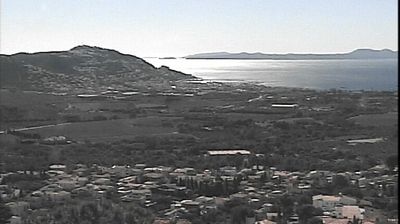


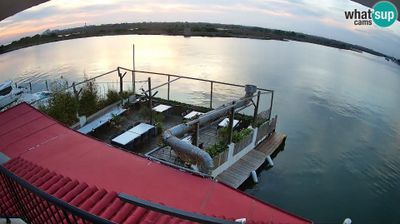
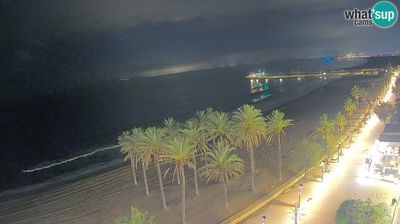

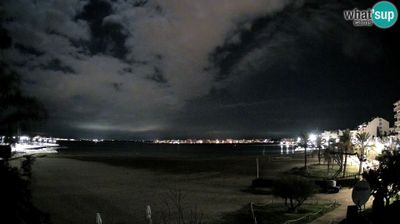

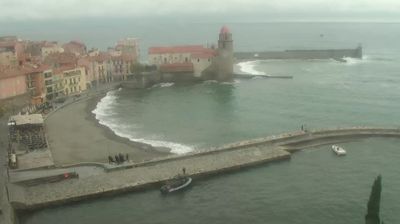
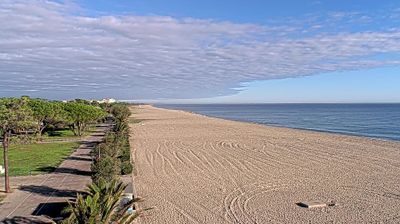
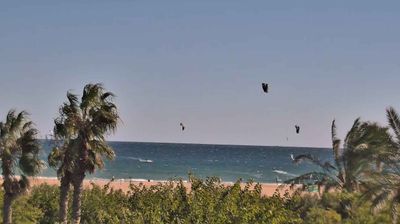

Llançà combines the working character of a Catalan coastal town with the quieter rhythm of coves and headlands, reflecting its position between the Mediterranean and the eastern foothills of the Pyrenees. On the northern Costa Brava, it lies close to Cap de Creus, the rocky peninsula and natural park that reaches far into the sea. The town has two distinct sides: the older inland centre and Port de Llançà, where fishing and pleasure boats use the harbour. The parish church of Sant Vicenç anchors the historic core, while the surrounding shore is marked by small beaches and rocky inlets. Browse other webcams across Catalonia’s Costa Brava to place Llançà in a wider geographic context.
1 webcam
Catalonia combines Mediterranean ease with rugged inland terrain in a way that reflects its position between the Pyrenees and Spain’s eastern coast. In northeastern Spain, the region extends from the coves of the Costa Brava to high mountain valleys and the Ebro Delta. Barcelona is its largest city and cultural reference point, known for Antoni Gaudí’s still-unfinished Sagrada Família. Inland, the serrated massif of Montserrat rises near Catalonia’s geographic centre and is home to the Benedictine monastery of Santa Maria de Montserrat. Catalan is co-official with Spanish, and the region’s language, cuisine and traditions give everyday life a distinct identity. Discover how Catalonia connects with the Pyrenees, coast and neighbouring regions by browsing webcams nearby.
272 webcams
Spain extends from the Cantabrian coast to the Canary Islands, encompassing Atlantic shores, Mediterranean beaches and the broad interior Meseta. The Pyrenees form its northeastern frontier, while the Guadalquivir crosses Andalusia on its way to the Atlantic. Madrid anchors the country’s political and cultural life, but distinct regional identities are central to Spain’s character: Catalonia, the Basque Country, Galicia and Andalusia each have their own languages or strong local traditions. Granada’s Alhambra is a major monument of the medieval Nasrid dynasty, and Santiago de Compostela remains the destination of the Camino de Santiago. Browse related webcams around the Iberian Peninsula to build a fuller picture of Spain.
1.4K webcams