 Rijeka: Titov trg - Mrtvi Kanal - Ulica Strossmayerova - Rječina
Built around a sheltered harbour at the mouth of the Rječina, Rijeka grew into Croatia’s principal seaport. Mrtvi Kanal is a remnant of the river’s former course, running beside the old port area towards Kvarner Bay. For centuries, the Rječina marked the boundary between Habsburg-administered Rijeka and Sušak; the two were joined within the modern city after the Second World War. Titov trg and Strossmayerova ulica belong to this central riverside district, where grand late-19th- and early-20th-century buildings meet major urban routes. Rijeka was European Capital of Culture in 2020, reflecting its long-standing role as an Adriatic trading city shaped by Croatian, Italian, Hungarian and Central European influences.
Generated by AI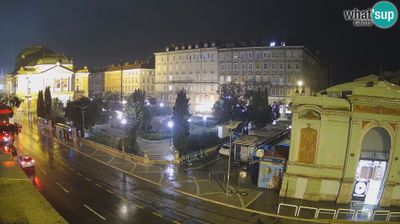
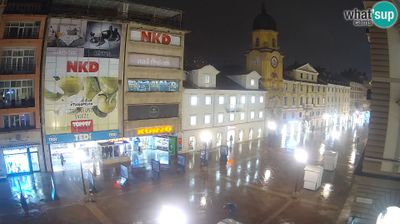
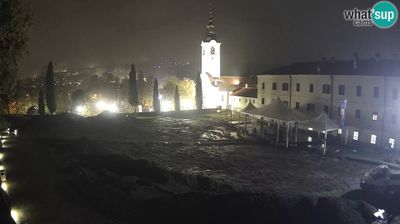

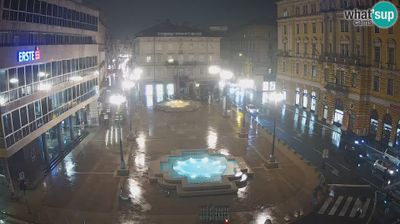

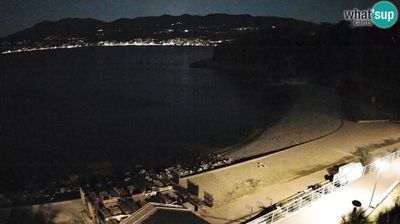
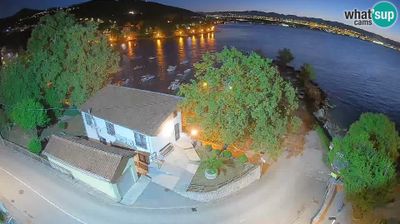

Rijeka lies along the Kvarner Bay coast where the Rječina River reaches the Adriatic, with steep, wooded hills rising behind its busy port. Croatia’s principal seaport has a distinctly urban, working-waterfront character shaped by maritime trade and the former Habsburg port city of Fiume. The pedestrian Korzo is the social spine of the centre, while Trsat Castle stands on the heights above the river and city. Rijeka was a European Capital of Culture in 2020, recognising its multilingual, industrial and artistic identity. Continue with other webcams from the area to see how this part of the Kvarner coast connects regionally.
1 webcam
The terrain of Primorje-Gorski Kotar County ranges from Adriatic islands and coastal bays in its southwest to forested highlands in Gorski Kotar to the northeast, giving the county a pronounced maritime-to-mountain character. Kvarner Bay links the port city of Rijeka with islands including Krk, Cres and Lošinj, while the Velebit Channel marks part of the coast farther south. Rijeka has long been Croatia’s principal seaport and was a European Capital of Culture in 2020. Inland, the wooded slopes and karst terrain of Gorski Kotar contrast sharply with the exposed shore and island settlements. Browse additional webcams from the surrounding area to extend your view of Kvarner and Primorje-Gorski Kotar County.
68 webcams
Croatia occupies a long Adriatic coastline in southeastern Europe. Its shore is broken into islands and sheltered coves, while the Dinaric Alps rise inland and the Danube forms part of its eastern border. Dubrovnik’s fortified old city faces the sea, and Split grew around Diocletian’s Palace, a Roman complex begun in the early fourth century. Inland, Plitvice Lakes National Park is known for terraced lakes linked by waterfalls and has been a UNESCO World Heritage Site since 1979. Istrian olive groves, Zagreb and Slavonia’s vineyards reveal distinct regional identities. Explore nearby webcam locations that provide complementary perspectives on the Adriatic coast and Croatia’s interior.
381 webcams