 Olesnica: Bazylika św. Jana Apostoła w Oleśnicy - Zamek Książąt Oleśnickich
Oleśnica straddles the Oleśnica River in Lower Silesia, a position that helped it develop as the seat of a Silesian duchy. The Gothic Basilica of St John the Apostle anchors the historic centre; its origins reach back to the 13th century, and its tall tower remains a defining element of the townscape. Nearby stands the Dukes of Oleśnica Castle, a former ducal residence with medieval foundations and later Renaissance alterations. Together, the two monuments recall Oleśnica’s long-standing regional role. Red-tiled roofs, civic buildings and streets around the market square reinforce the town’s compact urban character amid the lowland plains east of Wrocław.
Generated by AI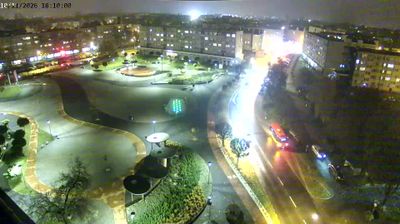
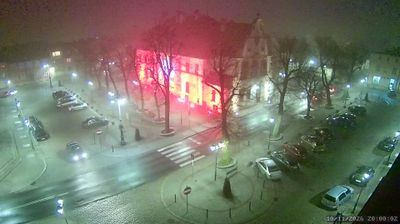


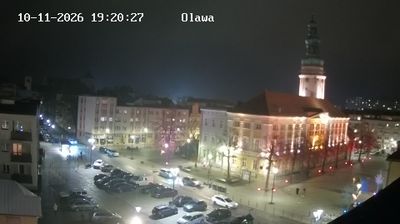

Oleśnica combines the calm scale of a county town with the legacy of a former ducal seat in a way that reflects its historical position in Lower Silesia. The River Oleśnica, a tributary of the Widawa, runs through a town whose centre grew around the Castle of the Dukes of Oleśnica. With medieval foundations and later Renaissance forms, the complex recalls the period when Oleśnica was the seat of its own Silesian duchy. The Gothic Basilica of St John the Apostle is another defining landmark of the old town. Rail links to Wrocław connect Oleśnica with the regional capital, while its streets retain a distinctly local pace. Browse other webcams across Lower Silesian Voivodeship to place Oleśnica in a wider geographic context.
2 webcams
Among the regions of Poland, Lower Silesian Voivodeship stands out for the meeting of the Sudetes, the Oder valley and historic Wrocław. Its southern edge reaches the Karkonosze range, where Śnieżka rises as the highest peak of the Sudetes, while broad lowlands and river corridors shape the north. Wrocław is the regional centre, known for its Market Square, the cathedral district of Ostrów Tumski and the UNESCO-listed Centennial Hall. Further west, Książ Castle near Wałbrzych recalls the area’s long Silesian past. Browse additional webcams around the region to extend your view of Lower Silesia.
72 webcams
Poland stretches from the Baltic Sea coast in the north to the Carpathian Mountains along its southern frontier, encompassing broad lowlands, lake districts and upland ranges. The Vistula, the country’s longest river, links Kraków and Warsaw before reaching the Baltic near Gdańsk, while the Masurian Lake District is defined by a dense network of lakes. Kraków’s historic centre, including Wawel Castle, recalls Poland’s former royal capital; Warsaw’s rebuilt Old Town speaks to the city’s recovery after the Second World War. The Białowieża Forest preserves one of Europe’s last primeval lowland forests and is home to European bison. Follow how Poland’s regions relate to one another by browsing webcams across the country.
709 webcams